Steep roof repair and reroofing in Mount Tabor, Portland, OR 97215
Houses wrap around the slopes of an old volcano here, with the park and its reservoirs at the top. Steep roofs, steep lots and big park trees make Mount Tabor roof work a little more involved than on the flats.
Around Mount Tabor, homes climb the slopes of the park, many with steep Craftsman or Tudor roofs, big trees and driveways that drop or rise sharply. Common jobs are repairs on steep pitches, full reroofs on older homes, chimney and dormer flashing, and wind damage on exposed upper slopes. Call (503) 917-5484 any hour for an on-roof look and a written estimate.
Mount Tabor Park sits on a volcanic cinder cone in the middle of Southeast Portland, with open reservoirs, big Douglas firs and views across the city. The neighborhood fills the slopes around it, from SE Belmont and Yamhill up toward the park and down toward SE Division and 60th Avenue. Streets curve to follow the hill, and many houses sit well above or below the road.
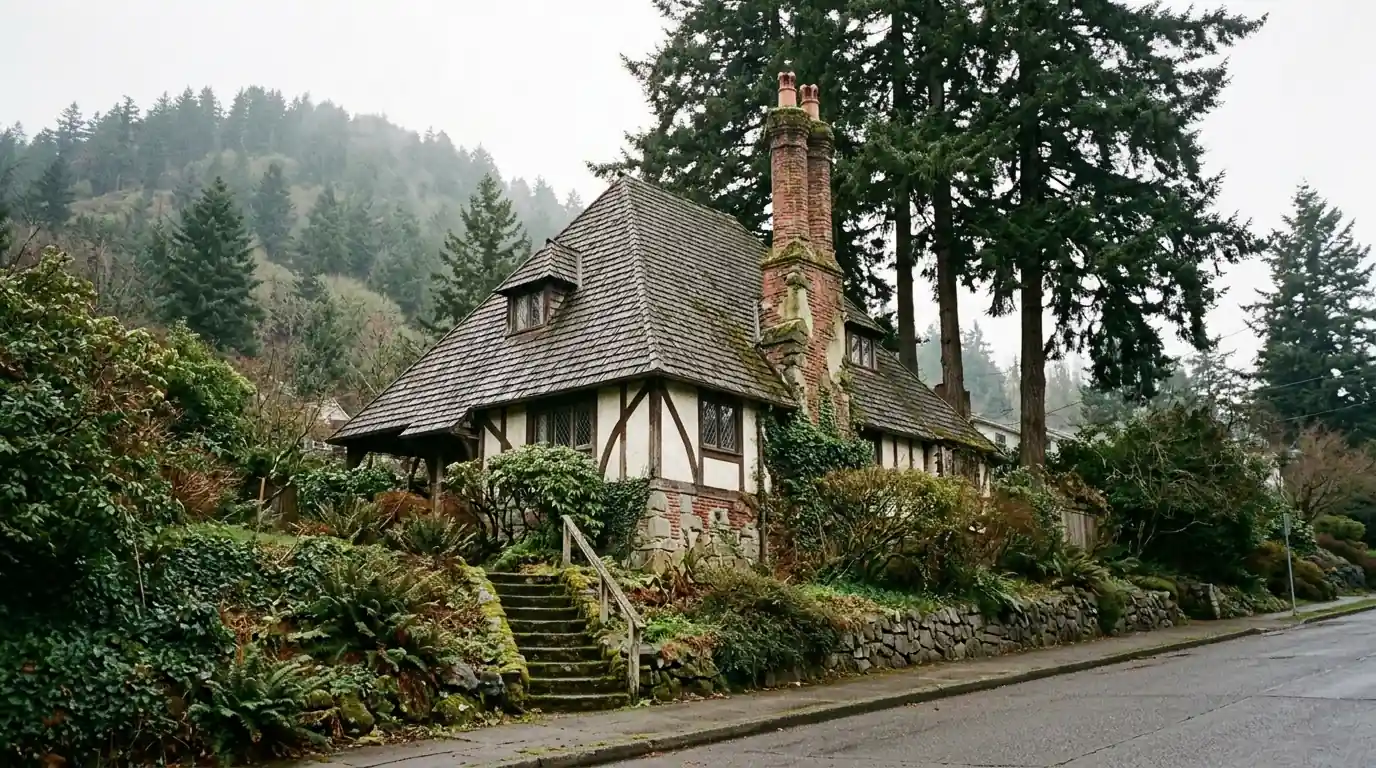
Roofs here tend to be steeper than the citywide average, especially on the Tudor and English cottage homes, and the higher lots catch wind that the lower blocks do not. Add the canopy spilling out of the park, and you get roofs that are harder to walk, slower to dry and more exposed in storms. We plan every Mount Tabor job around those conditions, starting with safety and access.
What sets Mount Tabor houses and roofs apart from the rest of Southeast?
Much of the neighborhood was built from the 1910s through the 1940s. Craftsman bungalows and Foursquares share the slopes with English Tudor and storybook cottages, Colonial Revival homes and later mid-century houses on the upper streets. Steep front gables, clipped gables and tall chimneys are common. Many roofs are asphalt over older layers, and some homes still have cedar or have switched to synthetic shake to keep the period look.
The park shapes the neighborhood. Its reservoirs, trails and stands of fir draw walkers from all over the city, and the tree cover carries well beyond the park boundary into yards. Houses on the west and north faces of the hill see longer shade and more moss. Upper lots near the park edge get views and wind. Lower streets near SE Hawthorne and Belmont feel more like the rest of inner Southeast.
Which roof problems show up on Mount Tabor's slopes?
Worn shingles on steep pitches
Steep roofs shed water well but wear unevenly, and they are hard to inspect from the ground. Granule loss and cracked tabs go unnoticed. We walk them on roof jacks, document everything and repair or replace affected sections.
Gusts on upper slope homes
Houses near the park edge sit higher and catch stronger gusts, including the east wind in winter. Ridge cap and rake shingles lift first. We refasten, hand seal and replace what is torn, and check the starter course at the edges.
Tall chimney flashing failure
Tall brick chimneys on Tudor homes move slightly and their mortar wears, opening gaps at the counterflashing. Water runs down inside the chimney chase. We reset counterflashing into fresh reglets and rebuild step flashing along the sides.
Moss on shaded hill faces
West and north facing homes stay damp under park trees. Moss builds up in valleys and at eaves. We hand clear it, soft wash, fit zinc strips and clear gutters so water can drain off the slope.
Roofing services in Mount Tabor
On the slopes around the park, these are the services Mount Tabor homeowners ask for most, often more than one on a single visit.
Roof Repair
Portland roofs rarely fail all at once. A few torn shingles, a cracked ridge cap or a soft valley can be fixed cleanly and matched to what you have...
Roof Replacement
When patches stop holding and the shingles are bare, curling or shedding granules, a full reroof is the smarter spend. We replace Portland roofs from...
Wind & Storm Damage Repair
After an east wind event or a Portland ice storm, the damage on a roof is often subtle: creased tabs, broken seal strips and loose ridge caps that...
Chimney Flashing Repair
Portland's old brick chimneys are the single most common leak point we see. Proper chimney flashing uses two layers of metal, one woven into the...
Roof Moss Removal
Moss on a Portland roof is almost a given under the firs. We take it off by hand and brush, treat what is left and add zinc so it grows back slower.
Synthetic Slate & Shake Roofing
Want the look of slate or cedar without the weight, the splitting or the yearly moss fight? Composite slate and shake give Portland homes that...
Roof Inspection
A clear, photo-backed report on your Portland roof, for buying or selling a home, after a windstorm or before winter, with an honest read on how many...
How do we stage a roof job on a Mount Tabor hillside?
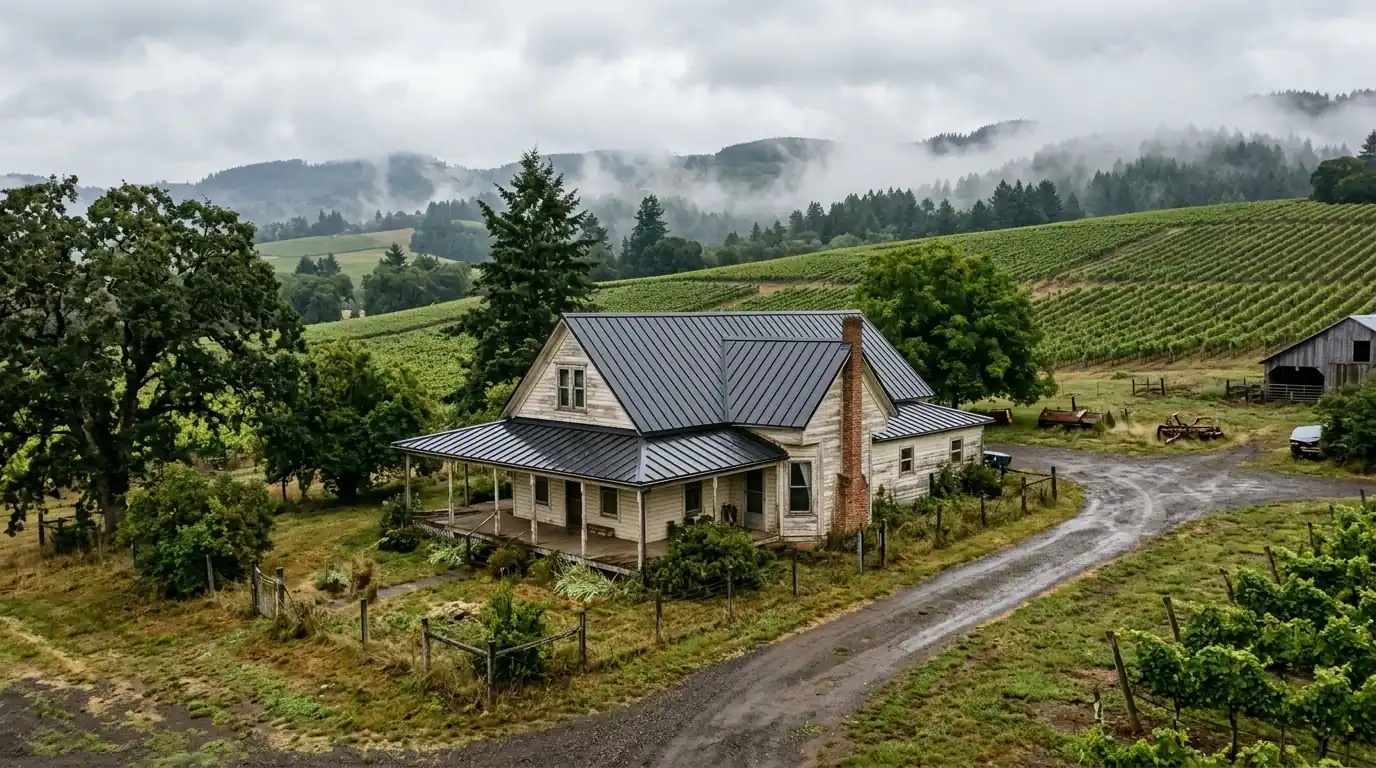
Houses set high above the street may have long stair runs from the sidewalk, so we use material lifts or carry bundles in stages. Steep pitches mean roof jacks, toe boards and full fall protection on every roofer. We check gust forecasts before opening an exposed roof. Street parking near the park fills on weekends, so we schedule deliveries early and coordinate dumpster placement with you and the neighbors.
Roofing questions from Mount Tabor
Why does a reroof cost more on a steep Mount Tabor house?
Steep pitches take more time and safety equipment per square, and many Mount Tabor homes add stair access, tall chimneys and multiple gables. For a typical steep home here, a tear-off and architectural shingle reroof often runs about $14,850 to $29,270. These are typical ranges, and the real price comes after an on-roof look and a written estimate.
Can you inspect my steep Mount Tabor roof without damaging it?
Yes. We walk steep roofs on roof jacks and toe boards with soft-soled shoes, and use a drone or long lens photos where walking would risk breaking brittle shingles or cedar. You get photos of each slope, the flashing and the gutters, with notes on what needs attention.
What roofing material suits a Tudor or storybook cottage near Mount Tabor Park?
Steep cottage roofs look best with a textured shingle that has depth. Many owners choose a heavy architectural shingle in a blended color, synthetic slate or synthetic shake. These handle the steep pitch well, shed moss better than flat three-tab shingles and keep the period look from the street.
Nearby places we roof
Roof trouble in Mount Tabor?
Call and describe what you are seeing. We answer 24/7 and send a roofer as soon as one is free.