Blown-in attic insulation and air sealing in Portland
Thin or settled insulation lets heat slip out of Portland homes all winter. We air seal the attic floor, set baffles at the eaves and blow in an even, deep layer of insulation.
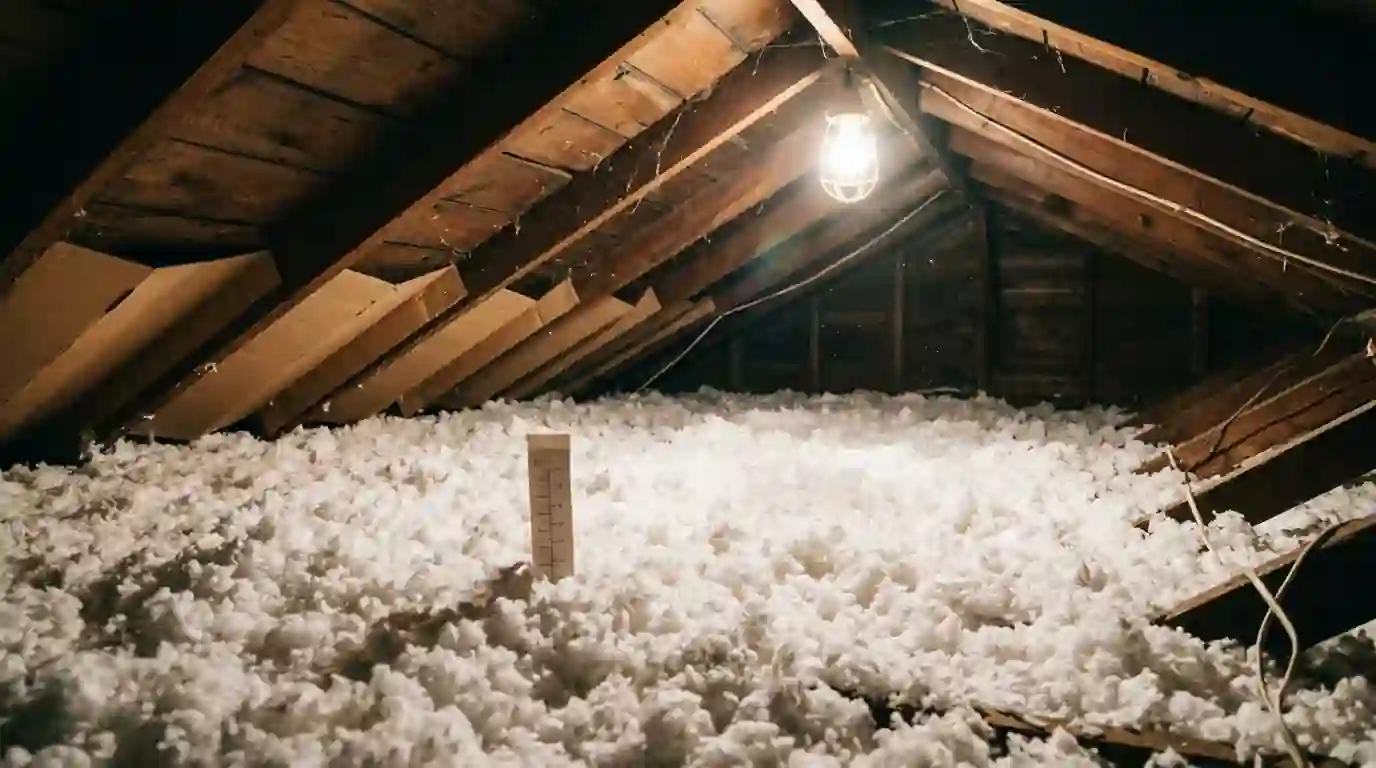
Attic insulation in Portland is usually done by air sealing gaps in the attic floor, installing baffles at the eaves to keep soffit vents open, then blowing loose-fill fiberglass or cellulose to an even depth, often around R-49. Many older homes have only a few inches of settled insulation. Air sealing first matters because it stops the moist indoor air that causes attic condensation.
Climb into the attic of a 1920s Portland bungalow and you might find a few inches of gray, compressed insulation, a scatter of old wood shavings or bare joists in the corners. Even homes from the 1990s often have insulation that has settled, been trampled by cable installers or pushed aside around recessed lights. Heat rises straight through those thin spots.
Adding insulation is the obvious fix, but the order of work matters. If you blow new insulation over a ceiling full of gaps around light fixtures, plumbing stacks and top plates, warm moist air keeps rising through it and condensing on the roof deck. So we air seal first, then set baffles at the eaves, then insulate.
Blown-in insulation fills around joists, wiring and odd framing better than batts, and it can be added on top of existing insulation that is dry and clean. The result is a deeper, even layer across the whole attic floor, warmer rooms upstairs and less moisture reaching the roof. Most attics are done in a single day with little mess inside the house.
Which insulation approach fits your attic?
These are the most common choices for Portland attics.
Blown-in fiberglass
Light, loose-fill fiberglass that does not absorb moisture or settle much over time. It is a good all-around choice for open attics and can be blown over existing dry insulation.
Blown-in cellulose
Recycled paper treated with borate for fire and pest resistance. It is denser than fiberglass, fills small gaps well and helps slow air movement, though it settles somewhat after installation.
Top-up over existing insulation
When existing insulation is dry and clean, we air seal around it and add new loose fill on top to reach the target depth. This is usually the most cost effective option.
Full removal and reinsulation
When old insulation is wet, moldy or contaminated by rodents, we remove it all, air seal the bare attic floor, then reinsulate. It costs more but gives the cleanest result.
Does your attic need more insulation?
Here is what usually tells Portland homeowners their attic insulation is falling short.
Joists visible above the insulation
If you can see the tops of the ceiling joists, you likely have less than about R-30. Most Portland attics benefit from a layer well above the joists, typically twelve to sixteen inches of loose fill.
Upstairs rooms cold in winter
Bedrooms that never warm up, or a furnace that runs constantly on cold nights, often point to thin or uneven attic insulation and air leaks through the ceiling.
Hot upstairs during summer heat
On the hottest days of July and August, a poorly insulated attic radiates heat into upstairs rooms long into the evening. Insulation slows that heat gain as well as winter heat loss.
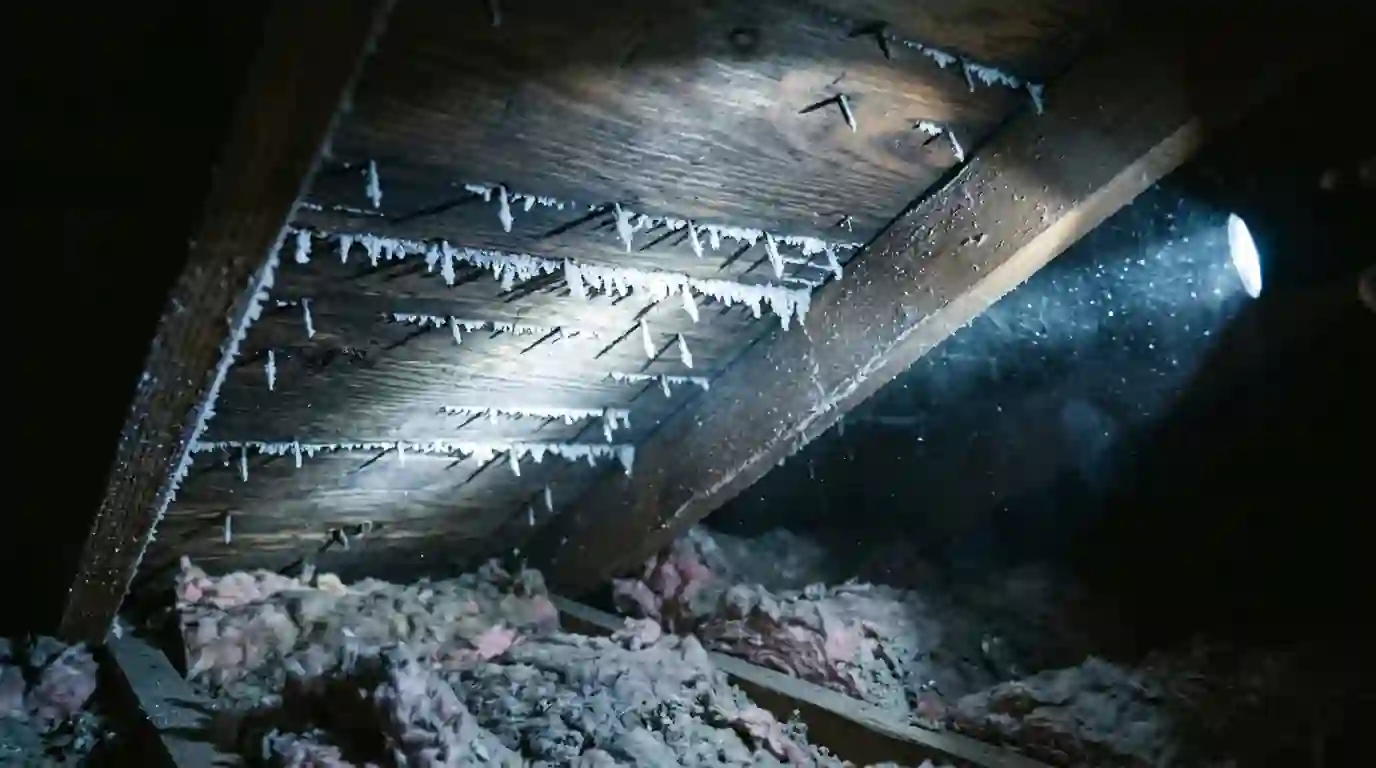
Frost or mold on the roof deck
Condensation in the attic often starts with air leaks from the house. Air sealing and insulation together reduce the warm, moist air that reaches the cold roof deck.
Insulation damaged by pests or leaks
Rodent nests, old roof leaks and wet spots ruin insulation and can leave odors. Damaged material should come out before new insulation goes in.
How we air seal and insulate an attic properly
Inspect and measure the attic
We check existing insulation depth and condition, look for moisture, mold and pest damage, find recessed lights and bath fans and measure the attic floor. That tells us how much material is needed and what has to happen first.
Remove damaged insulation if needed
Wet, moldy or rodent soiled insulation gets vacuumed out and bagged. Dry, clean insulation can stay in place and be topped up, which saves money on removal.
Air seal the attic floor
We seal gaps around plumbing stacks, wiring holes, top plates, chimney chases and duct penetrations with foam and fire-rated sealant where required, and build covers over old recessed lights that are not rated for insulation contact.
Install baffles at the eaves
Rigid baffles go between each rafter at the eaves to hold insulation back from the soffit vents. That keeps the intake air path open so the attic can breathe once the insulation is deep.
Blow insulation to an even depth
We blow loose-fill fiberglass or cellulose across the attic floor to the target depth, using marked depth rulers so the layer is even from eave to eave, including corners that batts often miss.
Insulate and weatherstrip the hatch
The attic hatch or pull-down stair gets rigid foam on its back and weatherstripping around the edge, since an uninsulated hatch is often the biggest single air leak in the ceiling.
Materials for attic insulation come from manufacturers such as Malarkey, GAF, Owens Corning, CertainTeed, Carlisle and Velux, chosen for the job rather than the logo.
What does attic insulation cost in Portland?
Insulation is usually priced by attic floor area and target depth, with air sealing and removal added as needed. Expect figures in this range around Portland in 2026.
| Work | Typical Portland range |
|---|---|
| Blown-in top-up to about R-49per sq ft | $1.65 to $2.85 |
| Air sealing the attic floorper home | $585 to $1,665 |
| Eave bafflesper baffle | $4.35 to $8.90 |
| Old insulation removalper sq ft | $1.35 to $2.65 |
| Typical 1,000 sq ft attic, sealed and insulatedper home | $2,465 to $4,980 |
Attic size and condition move the price a lot, so read these as rough figures. We give you a real number after seeing the attic and writing an estimate.
What moves the price:
- Attic floor area
- Target depth and material
- Amount of air sealing needed
- Removal of damaged insulation
- Attic access and headroom
What Portland homes need from attic insulation
Portland's climate is mild, but winters are long and damp, and heating runs from roughly October through April. Many older Craftsman, Foursquare and Old Portland homes in Irvington, Richmond and Sellwood-Moreland were built with little or no attic insulation, and some have knob and tube wiring that should be checked by an electrician before insulation covers it.
Our summers have also grown hotter, with more days in the upper 90s and above. Homes in Tigard, Tualatin and Oregon City with west-facing upstairs bedrooms feel that heat most. A deep, even layer of attic insulation combined with sealed ceiling gaps keeps upstairs rooms more comfortable in both seasons and reduces how hard the furnace and air conditioner work.
Why our insulation jobs keep attics dry and rooms warm
Air sealing done first, every time
We seal the ceiling gaps before blowing insulation, so moist house air stays out of the attic and the new insulation performs as rated instead of letting air pass through.
Ventilation protected with baffles
Because we also work on roof ventilation, we make sure soffit intake stays open after insulating, so the deeper layer does not create a new condensation problem.
Roof deck checked while we are there
We look at the underside of the sheathing for stains, rot or daylight. If we see a roof issue, you hear about it with photos before it hides under fresh insulation.
Attic Insulation questions from Portland homeowners
How much attic insulation does a Portland home need?
Many Portland attics are brought up to around R-49, which is roughly twelve to sixteen inches of loose-fill insulation depending on the material. Current energy guidance for our climate suggests R-49 to R-60 for attics. We measure what you have and recommend a depth that makes sense for your house.
Why air seal before adding attic insulation in Portland?
Insulation slows heat flow but does not stop air. Gaps around lights, pipes and wiring let warm, moist air rise into the attic, where it condenses on the cold roof deck in Portland winters. Sealing those gaps first keeps the attic drier and lets the insulation work properly.
Can you blow new insulation over old insulation in Portland?
Yes, if the old insulation is dry, clean and not contaminated by rodents or mold. We air seal around and through it where possible, then blow new insulation on top. Wet or damaged insulation should come out first so it does not trap moisture.
Is blown-in attic insulation safe around knob and tube wiring in Portland homes?
Many older Portland homes still have knob and tube wiring. Covering it with insulation can be a safety concern, and rules vary, so we recommend having an electrician evaluate it first. We work around whatever approach they advise before insulating.
How long does attic insulation take on a Portland home?
Most attic insulation jobs in Portland take one day, including air sealing, baffles and blowing new insulation. Jobs that include removing old insulation, building covers for recessed lights or working in very tight attics may take two days.
Where we do this work most
We cover the whole metro. These are the places we are on roofs most often:
Related roofing services
Attic & Roof Ventilation
Damp attics are common in Portland winters. We balance soffit intake with ridge or roof exhaust so moist air leaves the attic before it condenses on...
Roof Inspection
A clear, photo-backed report on your Portland roof, for buying or selling a home, after a windstorm or before winter, with an honest read on how many...
Pipe Boot & Vent Repair
The rubber collar around a plumbing vent is often the first part of a Portland roof to fail, usually years before the shingles. Replacing a cracked...
Dry Rot & Roof Deck Repair
A soft spot underfoot on the roof or a sag you can see from the street points to rotted sheathing below the shingles. We open Portland roofs, remove...
Need attic insulation in Portland?
Call and tell us what you are seeing. We answer 24/7 and can usually talk you through the next step on the first call.