New cedar shake roofs for Portland homes
Few roofs suit an old Portland house like real western red cedar. We install new shake roofs that look right on Craftsman, Tudor and lodge style homes and are built to breathe through our long wet season.
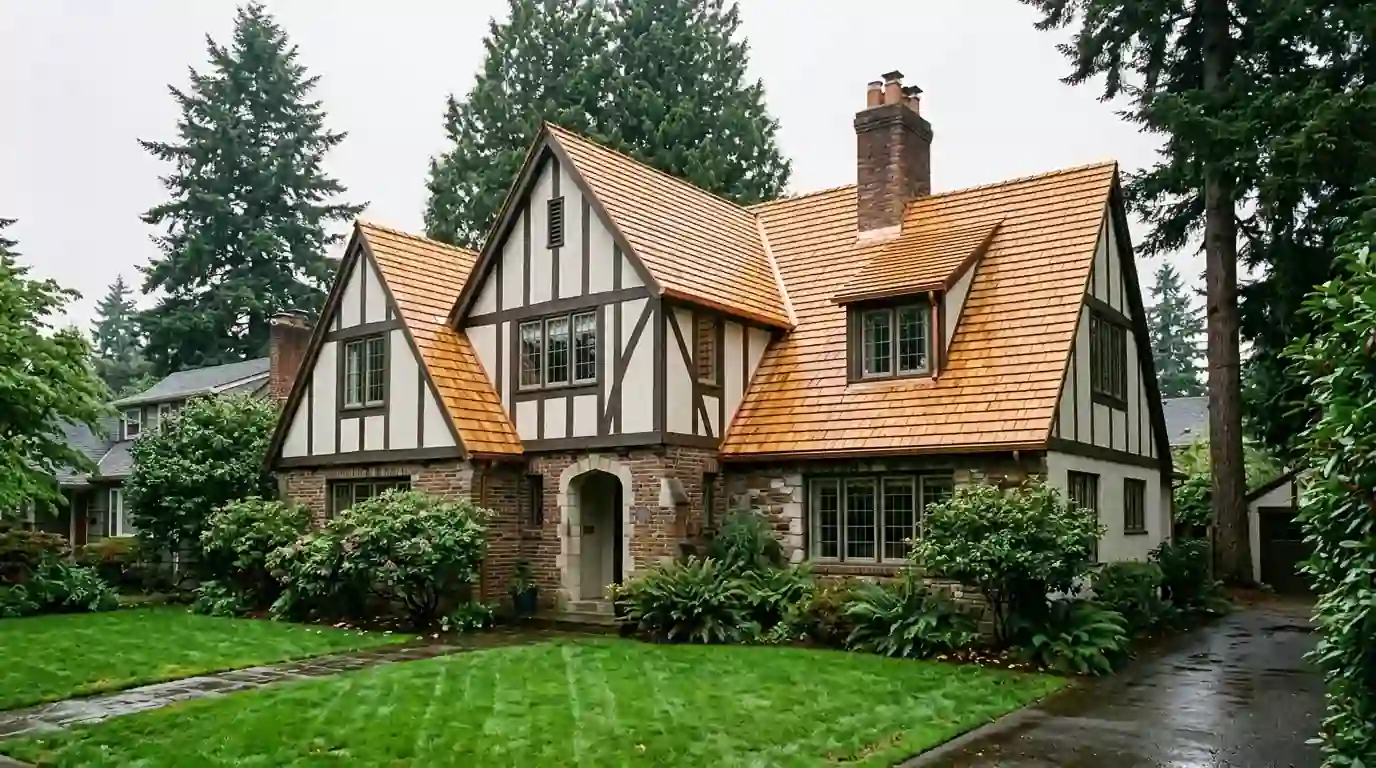
A new cedar shake roof in Portland starts with a full tear-off and solid or spaced decking, then interlayment felt between each course, stainless steel or hot-dipped nails, side gaps for swelling and copper or stainless valley metal. Hand split and tapersawn western red cedar both work well here. A new shake roof on a typical Portland home commonly runs $34,860 to $68,910.
A cedar shake roof is a choice people make with their eyes first. The thick, uneven butts throw deep shadow lines, the wood weathers from honey tan to a soft silver gray, and the roof gives an older house a texture no manufactured product fully copies. In Portland, shakes show up on Arts and Crafts homes, English cottages, lodge style houses in the West Hills and newer custom homes built to look like they have always been there.
Cedar is also the roof that rewards good installation most. Wood moves with moisture, so shakes need breathing room on all sides, the right fasteners and an interlayment system that keeps water out while letting the wood dry. Get those details wrong and a new roof cups, splits and rots early in our damp climate. Get them right and the roof ages gracefully. If you are weighing a new shake roof, call (503) 917-5484 and we will walk you through grades, decking and upkeep.
Cedar shake types and how they differ
The shake style you pick changes the look, the cost and how the roof ages.
Hand split and resawn shakes
Split face on top for a rugged texture, sawn smooth on the back. This is the classic heavy shake look, great for lodge style and rustic homes that want strong shadow lines.
Tapersawn shakes
Sawn on both sides for a cleaner, more uniform appearance with thick butts. They suit Craftsman and Tudor homes that want a tailored wood roof rather than a rough, rustic texture.
Premium edge grain grade
Cut so the grain runs vertically through the shake, which resists cupping and splitting. It costs more but holds its shape better through repeated wet and dry cycles in our climate.
Fire-retardant treated cedar
Pressure treated shakes carry fire ratings for homes near wooded hillsides. They look and weather like standard cedar while adding protection where wildfire risk is part of the conversation.
Is a brand new cedar shake roof right for your home?
Cedar is not for every house or every owner, and these points help you decide.
The house was built for wood
Many older Portland homes originally had cedar shingles or shakes. Returning to wood restores the look the architect intended and often suits the trim, windows and porch details better than composition shingles.
Your old shakes are worn out
When an existing shake roof has thin, split and rotted shakes across most slopes, restoration is no longer worth it. A full replacement gives you fresh wood and a chance to fix decking and flashing.
You accept some upkeep
Shake roofs in Portland need periodic cleaning, moss control and keeping debris out of keyways. Owners who plan on that care get a long service life from the roof and keep it looking good.
Your roof gets some sun
Shakes last longest on roofs that dry between storms. Heavy, constant shade from a dense stand of firs keeps wood wet, so trimming some limbs first helps a new roof last much longer.
Your pitch is steep enough
Shakes need a roof pitch of about 4 in 12 or steeper to shed water reliably. Most traditional Portland homes with cedar character meet that easily, while very low porch roofs need a different material.
How we build a new shake roof that can breathe
Choose grade and shake type
We go over hand split and resawn shakes versus tapersawn, along with grade and thickness. Premium grade edge grain cedar resists cupping and splitting better, and thicker shakes simply have more wood to wear before replacement.
Tear off and set the deck
After tear-off, we either replace decking with solid plywood or install spaced skip sheathing, depending on the roof. Both work when the attic is ventilated, and we repair any rotted rafters before installing new wood.
Lay interlayment between courses
Shake roofs use strips of felt or synthetic interlayment woven between each course. This keeps wind-driven rain out while allowing air to move under the shakes so they dry after storms.
Space and nail each shake
Shakes go down with side gaps to allow swelling, offset joints between courses and two stainless or hot-dipped galvanized nails each. Proper exposure keeps the roof thick enough to protect against leaks.
Flash valleys, walls and chimneys
Valleys get wide copper or stainless metal, and walls and chimneys get step flashing and counterflashing. Cedar tannins corrode plain galvanized steel over time, so the metal choice matters for longevity.
Ridge, vents and treatment plan
Hand-cut or factory ridge caps finish the top, with ridge venting where the attic needs it. We go over a care schedule for cleaning and treatment so the roof stays healthy through Portland winters.
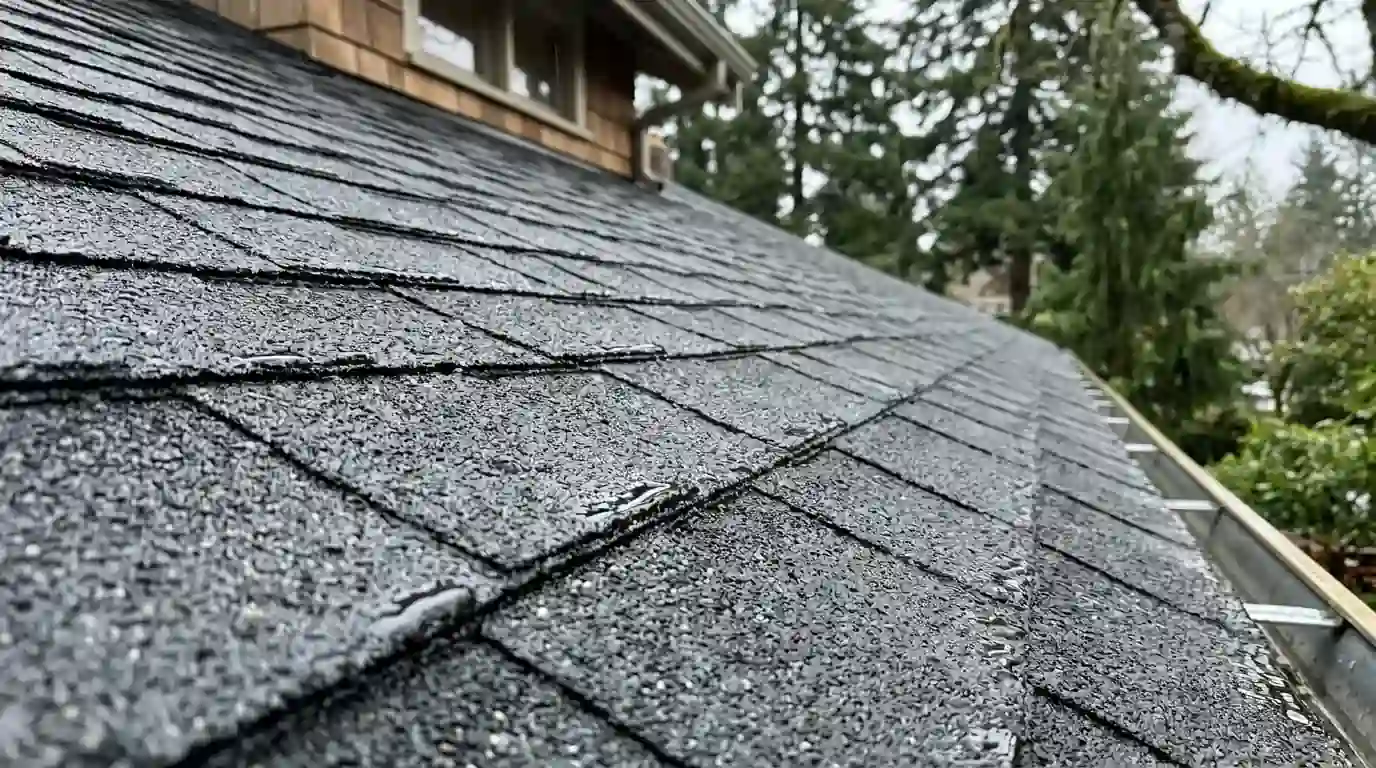
Materials for cedar shake roofing come from manufacturers such as Malarkey, GAF, Owens Corning, CertainTeed, Carlisle and Velux, chosen for the job rather than the logo.
What does a new cedar shake roof cost in Portland?
Cedar is one of the most labor intensive roofs, since each shake is placed and spaced by hand. Grade, thickness and roof complexity drive the price.
| Work | Typical Portland range |
|---|---|
| Tapersawn cedar shake, installed with tear-offper square | $1,385 to $2,140 |
| Hand split and resawn shakesper square | $1,465 to $2,280 |
| Fire-retardant treated shakesper square | $1,640 to $2,560 |
| Typical Portland home, full shake roofper home | $34,860 to $68,910 |
| Skip sheathing or plywood deck upgradeper sq ft | $2.65 to $4.95 |
These are typical Portland ranges for 2026, not a quote. The real price comes after an on-roof look and a written estimate for your home.
What moves the price:
- Shake grade and thickness
- Treatment for fire or rot
- Deck type and repairs
- Copper or stainless flashing
- Roof size and complexity
- Access and pitch
Building a shake roof for Portland shade and rain
Western red cedar grows right here in the Pacific Northwest, and it has naturally rot-resistant oils that suit our climate. Still, Portland shade tests every shake roof. On wooded lots in Eastmoreland near Reed College, in Alameda along the ridge and on slopes facing Forest Park, roofs stay wet much of the winter. We plan new shake roofs with good ventilation, a breathable underlayment approach and trimmed overhanging limbs so the wood can dry between storms.
Homeowners in Lake Oswego and West Linn also choose shakes for newer custom homes with a classic look. Many neighborhoods there have older shake roofs nearing replacement, and a fresh roof built with stainless fasteners and quality interlayment lasts much longer than the original. We also discuss fire concerns openly, since cedar can be pressure treated with fire retardants for homes near wooded slopes.
Why our new shake roofs age well
Fasteners that last as long
We use stainless or hot-dipped galvanized nails so fasteners do not rust out before the wood wears, which is a common failure on older shake roofs around Portland.
Room for the wood to move
Proper side gaps and course offsets let shakes swell in winter and shrink in summer without buckling or splitting the roof surface.
A clear care plan included
We explain what cleaning and treatment a new shake roof needs and when, so you know how to keep it healthy for its full life in our wet climate.
Cedar Shake Roofing questions from Portland homeowners
How long does a new cedar shake roof last in Portland?
Service life depends heavily on shade, ventilation and upkeep. A well installed shake roof with good airflow and regular cleaning lasts a long time here. Roofs under heavy tree cover with debris left in the keyways wear out much faster, so trimming limbs and routine care make a real difference.
Should a cedar shake roof go on spaced or solid decking?
Both work. Spaced skip sheathing lets air circulate under the shakes, which is traditional. Solid plywood decking is common on newer homes and in some fire zones. With solid decking, interlayment and attic ventilation become even more important so the wood can dry.
Are cedar shake roofs allowed in all Portland neighborhoods?
Most Portland neighborhoods allow cedar, though some HOAs and wooded hillside areas have their own requirements. Fire-retardant treated shakes help where wildfire exposure is a concern. Check your HOA rules before ordering, and we can talk through materials that fit your area.
What color will my new Portland shake roof turn?
New western red cedar starts a warm honey or reddish tan. Within one or two wet seasons in Portland it weathers to a soft silver gray. Some owners apply a tinted treatment to slow that change, while others prefer the natural gray that fits older homes.
Is cedar shake worth the cost over synthetic shake in Portland?
It depends on priorities. Real cedar gives authentic texture and weathering that many owners of older homes want. Synthetic shake costs about the same or more upfront but needs far less upkeep and resists moss. Many people choose cedar for character and synthetic for low maintenance.
Where we do this work most
We cover the whole metro. These are the places we are on roofs most often:
Related roofing services
Cedar Shake Repair & Restoration
A shake roof with moss in the gaps, a few split pieces and gray, tired wood often has years left in it. We repair and restore existing cedar roofs in...
Synthetic Slate & Shake Roofing
Want the look of slate or cedar without the weight, the splitting or the yearly moss fight? Composite slate and shake give Portland homes that...
Roof Replacement
When patches stop holding and the shingles are bare, curling or shedding granules, a full reroof is the smarter spend. We replace Portland roofs from...
Roof Moss Removal
Moss on a Portland roof is almost a given under the firs. We take it off by hand and brush, treat what is left and add zinc so it grows back slower.
Attic & Roof Ventilation
Damp attics are common in Portland winters. We balance soffit intake with ridge or roof exhaust so moist air leaves the attic before it condenses on...
Need cedar shake roofing in Portland?
Call and tell us what you are seeing. We answer 24/7 and can usually talk you through the next step on the first call.