Dry rot and roof deck repair on Portland homes
A soft spot underfoot on the roof or a sag you can see from the street points to rotted sheathing below the shingles. We open Portland roofs, remove the rot and rebuild the deck solid before anything goes back on top.
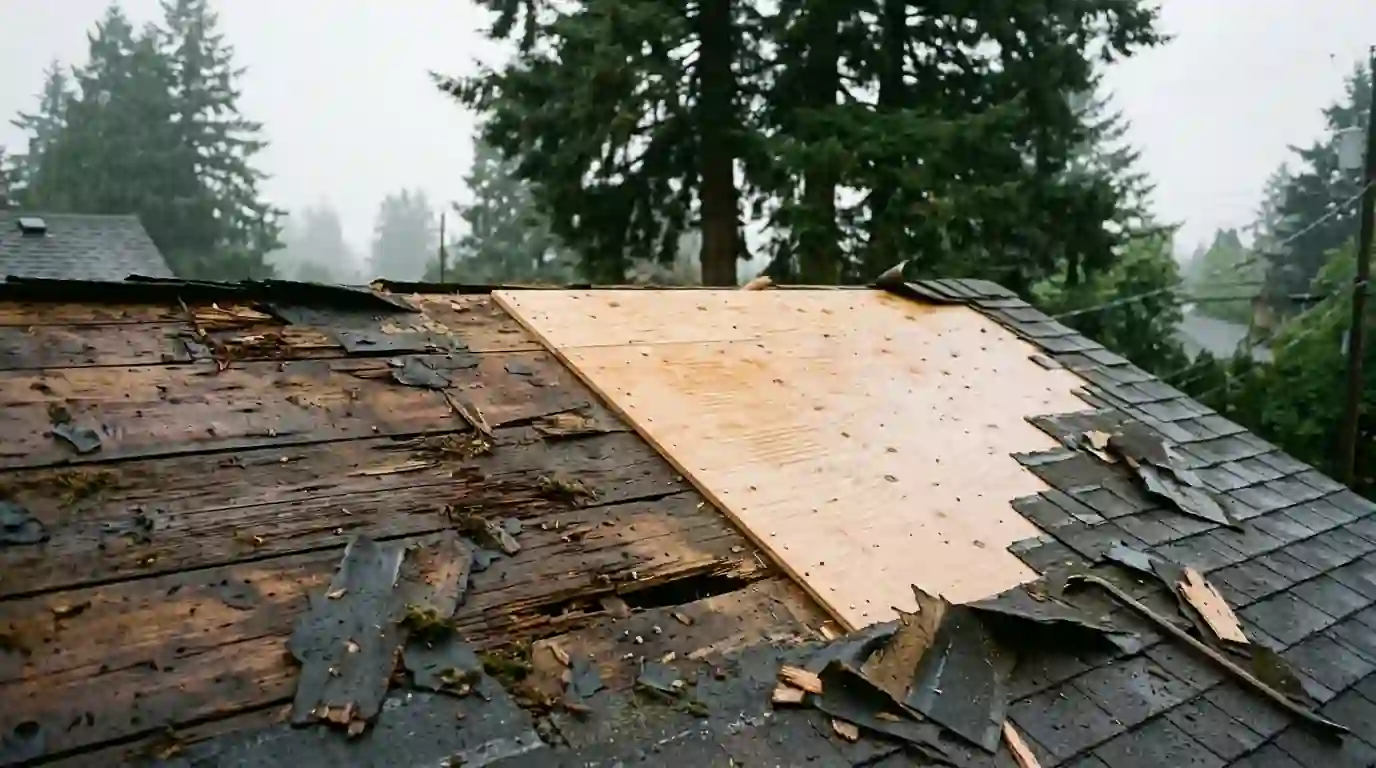
Roof deck repair in Portland means removing the roofing over the damaged area, cutting rotted plywood, OSB or plank boards back to sound framing, sistering any soft rafters, and installing new sheathing with proper gaps and nailing. Small patches often cost $585 to $1,460. Larger sections run more, and during a reroof most Portland homes need some replacement priced per sheet.
Dry rot is a misleading name. The fungus that breaks down roof sheathing needs moisture to start, and Portland supplies plenty of it. Slow leaks at a chimney, a failed pipe boot, condensation from a poorly vented attic or years of moss holding water against the shingles all feed it. Once the wood fibers break down, the decking turns brown and crumbly, loses its grip on nails, and starts to flex when someone walks on it.
We see this most on older Portland homes where the original roof deck is 1x6 or 1x8 fir planks laid with gaps between them, sometimes under two or three layers of old roofing. It also shows up on newer houses with OSB that swelled after a leak went unnoticed. Either way, new shingles cannot fix a soft deck. The nails will not hold, the roof will look wavy, and wind can lift the edges. Call (503) 917-5484 and we will come take a look from the roof and the attic.
Which repair fits the condition of your decking?
The fix depends on how widespread the rot is, what kind of deck you have and whether the roof above is due for replacement.
Spot sheathing replacement
Best when rot is limited to one area around a chimney, vent or skylight. We remove a section, replace the deck, fix the leak source and weave in matching roofing so the rest of a healthy roof stays in place.
Sheathing replacement during a reroof
When the roof is already coming off, every sheet of decking is exposed. We replace bad panels as we find them, which costs less per sheet than opening the roof separately later.
Plywood over plank decking
Old fir plank decks with wide gaps or many soft boards can get a full layer of new plywood over the top. It creates a flat, solid nailing surface for modern shingles without tearing out sound planks.
Rafter sistering and tail rebuilds
Rot that reaches the framing needs new lumber fastened to the old. We rebuild rafter tails at the eaves so overhangs stay straight and the fascia has something solid to hold.
Clues that the wood under your roof is failing
Some signs show up outside on the roof and others only appear when you look up into the attic.
Soft or bouncy roof spots
If a section of roof gives under a footstep, the sheathing beneath has lost strength. It is often near a chimney, skylight, valley or the lower edge of the roof where water collects longest.
Visible dips between rafters
From the street, look along the roof plane in low morning or evening light. A wavy or dished pattern between rafters means the panels have sagged, often from moisture swelling or long-term rot.
Dark stains on attic sheathing
In the attic with a flashlight, healthy decking looks tan. Black, brown or white stains, especially around nail tips and roof penetrations, show repeated wetting that leads to rot over time.
Rusty nails poking through
Roofing nails that are rusted or dripping in the attic during cold months point to condensation. The same moisture that rusts the nails is soaking the wood they are driven into.
Crumbling rafter tails at eaves
Exposed rafter tails on Craftsman and bungalow overhangs show rot first because the end grain soaks up water. Soft or split tails suggest the roof edge above has been wet for years.
Shingles that will not lie flat
Popped nails and shingles that lift or buckle can mean the deck below cannot hold fasteners anymore. Re-nailing will not help if the wood around the nail has turned to mush.
How we take out rot and rebuild the deck
Inspect from attic and roof
We check the underside first to trace stains and soft areas back to their source, then walk the roof to confirm the boundary. Moisture readings help separate active wet rot from old staining that has already dried.
Strip roofing over damaged area
Shingles and underlayment come off with a margin around the bad spot so we can see where sound wood begins. Tarps go down below to protect gardens and patios from debris and old nails.
Cut back to solid framing
Rotted plywood, OSB or plank boards get cut out so every new joint lands on a rafter. Patching over half rotten wood only moves the problem, because the edges of a weak repair become the next failure point.
Repair rafters and tails
Soft rafters are sistered with new lumber fastened alongside the old. Rafter tails at the eaves get cut back and spliced or rebuilt so the fascia and gutter have solid backing again.
Install new sheathing correctly
New plywood goes down with the small expansion gap panel makers call for and a full nailing pattern into each rafter. Over old plank decks, we sheet over with plywood when gaps are too wide for shingles.
Fix the moisture source
Before closing up, we deal with what caused the rot: a leaking flashing, a cracked pipe boot, missing ventilation or a blocked soffit. Then underlayment and roofing go back on and tie into the surrounding roof.
Materials for dry rot & roof deck repair come from manufacturers such as Malarkey, GAF, Owens Corning, CertainTeed, Carlisle and Velux, chosen for the job rather than the logo.
What does roof deck and dry rot repair cost?
Price depends on how much roofing has to come off and how far the rot reaches into the framing. Here are common Portland ranges for 2026.
| Work | Typical Portland range |
|---|---|
| Small deck patch, roofing removed and replacedper area | $585 to $1,460 |
| Sheathing replacement during a reroofper 4x8 sheet installed | $92 to $138 |
| Plank deck replacement or overlayper sq ft | $3.15 to $5.85 |
| Rafter sisteringper rafter | $315 to $735 |
| Rafter tail rebuild at the eaveper tail | $185 to $445 |
Treat these as typical Portland ranges, not a quote. Rot is often larger once the roof is open, so we give you a written estimate after an on-roof look and agree on per-sheet pricing before work starts.
What moves the price:
- Square footage of rotted decking
- Roofing type that must come off
- Framing repairs needed
- Roof pitch and access
- Ventilation or flashing fixes
- Number of old roofing layers
Why Portland roof decks rot from above and below
The long run of wet months here means a small leak can stay damp for half the year without ever drying out. On shaded lots in Multnomah Village, Hillsdale and the Southwest Hills, moss mats hold rain against shingles well into spring, and water slowly finds its way through worn granules and nail holes. The deck under north facing slopes stays cold and damp, and that is where we cut out the most rot. Heavy fir and maple cover also slows the roof from drying after every storm.
Older homes in Woodstock, Concordia and Beaumont-Wilshire often still have their original plank decking, which held up fine for decades under cedar shingles because air moved through the gaps. Once someone laid composition shingles and insulation over the top without adding ventilation, condensation began collecting under the roof. The January 2024 ice storm also exposed a lot of hidden rot when limbs punched through weak decking that had looked fine from the ground.
Why homeowners have us repair their roof decks
Per-sheet pricing agreed upfront
Hidden rot is the classic reroof surprise. We write the per-sheet and per-rafter prices into the estimate so extra decking never turns into an argument halfway through the job.
Photos of every opened area
You see the rotted wood we pull and the new deck before it gets covered. That record is useful when you sell the house or file a claim later.
The cause gets fixed too
We track down why the wood got wet, whether it was a flashing, a vent or attic condensation, so the new sheathing is not on the same path toward rot.
Dry Rot & Roof Deck Repair questions from Portland homeowners
How do I know if my Portland roof has dry rot before reroofing?
Start in the attic with a flashlight on a dry day. Look for dark staining, soft spots you can press into with a screwdriver and rusty nail tips. Outside, wavy roof lines or areas that feel springy are strong clues. We inspect from both sides and mark suspected areas, but the full extent usually shows only once the old roofing comes off.
Can new shingles go over a roof deck with dry rot?
They should not. Shingle nails need solid wood to grip, and soft sheathing lets them pull out under wind load. The rot also keeps spreading if moisture is still getting in. Any rotted decking should be cut out and replaced before underlayment and new roofing go down.
Is plank roof decking on old Portland houses still usable?
Often the planks are sound fir that has lasted a century. The problem is gaps between boards and scattered rot near leaks. We replace the bad boards and, when needed, sheet over the planks with plywood to give modern shingles a flat, continuous nailing base.
Does homeowners insurance cover roof deck rot repair?
Rot from a long-term slow leak or condensation is usually treated as wear and not covered. Sudden damage, like a tree limb from a storm breaking through the deck, often is. We document what we find with photos so you can discuss it with your insurer.
How long does roof deck repair take in Portland?
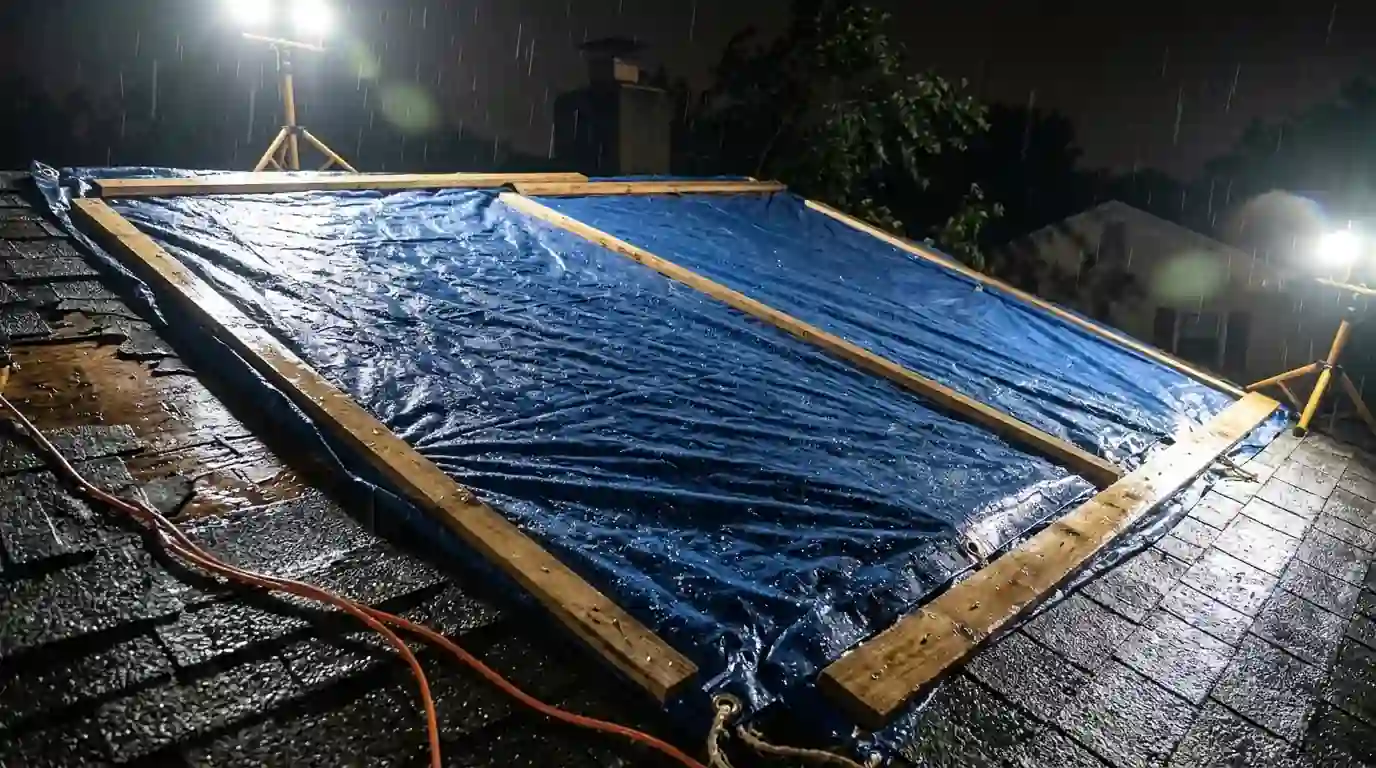
A small patch with roofing replacement often takes a single day. Larger sections or rafter repairs can take two or three days. We keep the opened area covered with underlayment or tarps at the end of each workday so rain does not reach the attic.
Where we do this work most
We cover the whole metro. These are the places we are on roofs most often:
Related roofing services
Roof Replacement
When patches stop holding and the shingles are bare, curling or shedding granules, a full reroof is the smarter spend. We replace Portland roofs from...
Roof Leak Repair
A stain on a Portland ceiling is rarely under the hole that caused it. We trace the water back along rafters and decking to the true entry point...
Fascia & Soffit Repair
Soft fascia behind the gutter, peeling soffit paint or birds nesting in the eaves usually means water has been getting past your roof edge. We...
Attic & Roof Ventilation
Damp attics are common in Portland winters. We balance soffit intake with ridge or roof exhaust so moist air leaves the attic before it condenses on...
Roof Inspection
A clear, photo-backed report on your Portland roof, for buying or selling a home, after a windstorm or before winter, with an honest read on how many...
Related reading
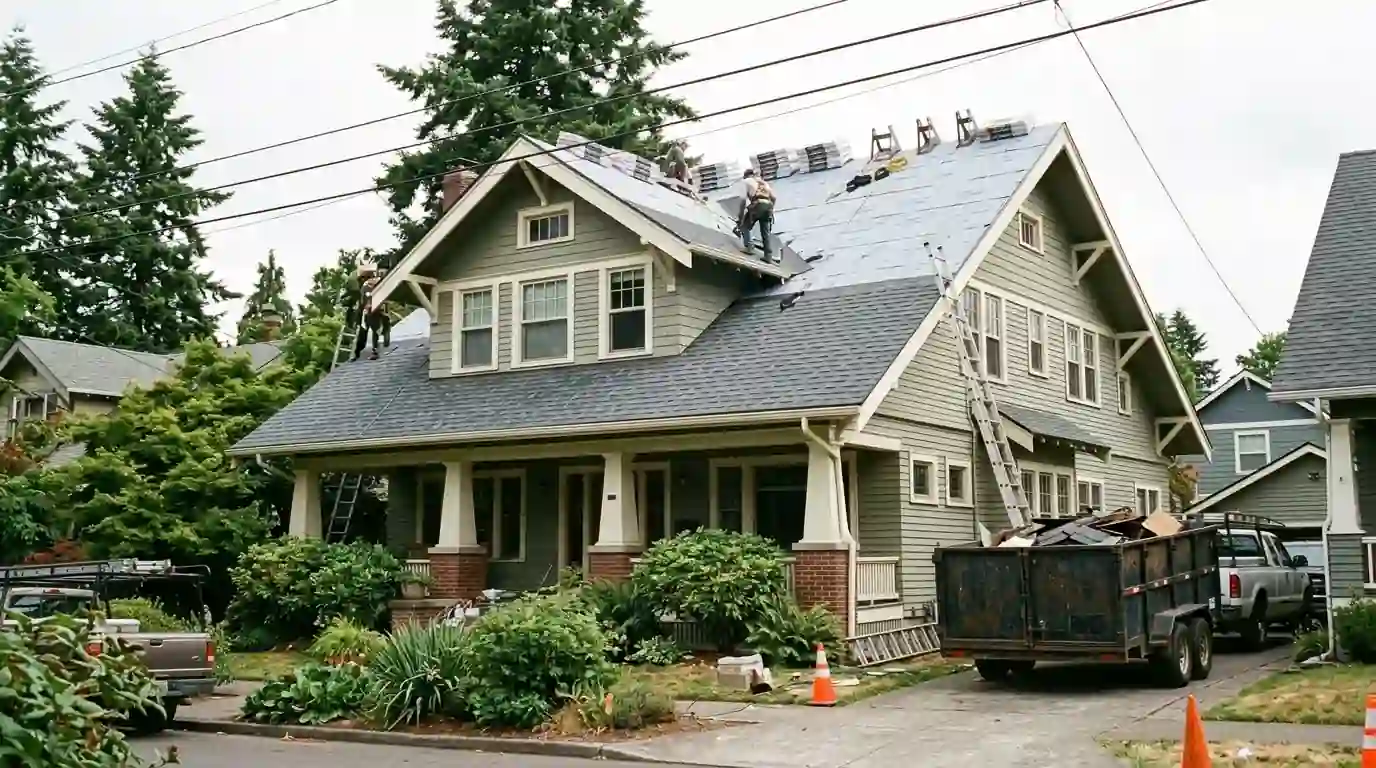
Roof Replacement Cost in Portland for 2026
Typical 2026 price ranges for replacing an asphalt, metal or cedar roof in the Portland metro, what each line on an estimate pays for, and the factors that push a number up or down.
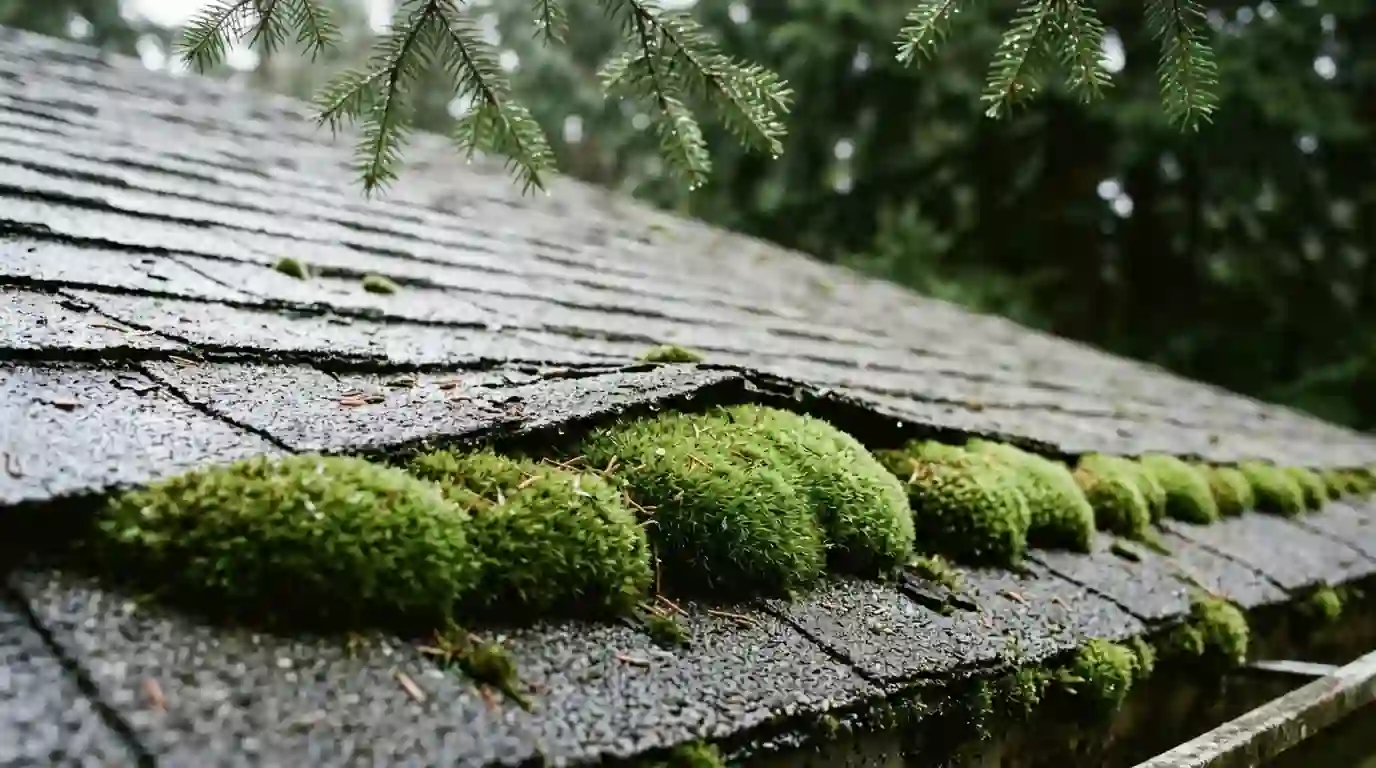
Signs Moss Is Damaging Your Portland Roof
Some moss is cosmetic and some is quietly prying shingles loose. Here is how Portland homeowners can tell the difference from the ground and the attic, and what careful removal involves.
Need dry rot & roof deck repair in Portland?
Call and tell us what you are seeing. We answer 24/7 and can usually talk you through the next step on the first call.