Nobody wants to replace a roof a few years early, and nobody wants to keep paying for repairs on a roof that's past saving. In a dry climate you can often stretch a worn roof for a while. Around Portland, where the rain comes in long, steady stretches from fall to spring, a weak roof gets tested hundreds of hours a year, and small problems spread into decking and framing faster than most people expect.
There isn't a single age or dollar figure that settles it. What we do on every inspection is weigh a handful of specific things: how old the roof is relative to its material, whether the problem is local or spread out, what the decking looks like, how many times it's been patched and what you plan to do with the house. Here's how each of those pushes the decision one way or the other.
Is the damage in one spot or across the whole roof?
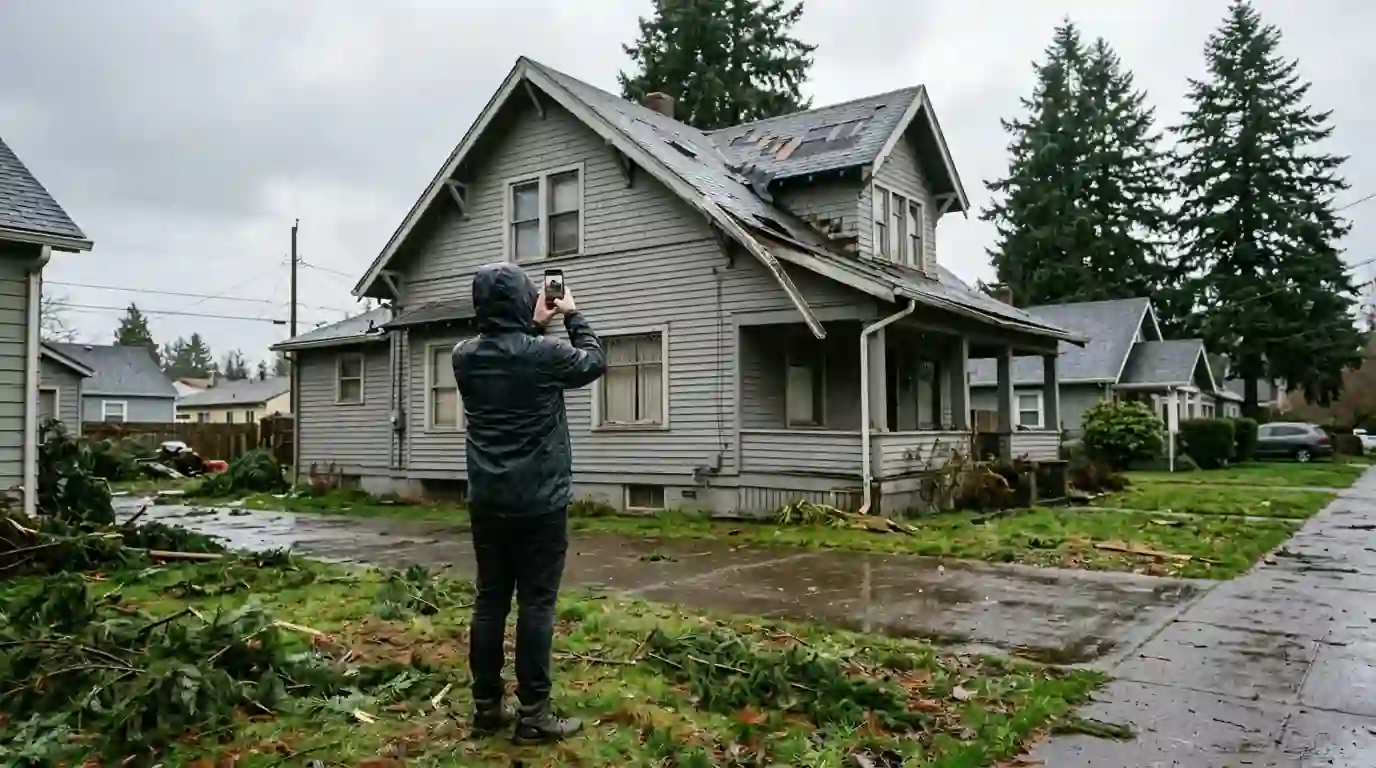
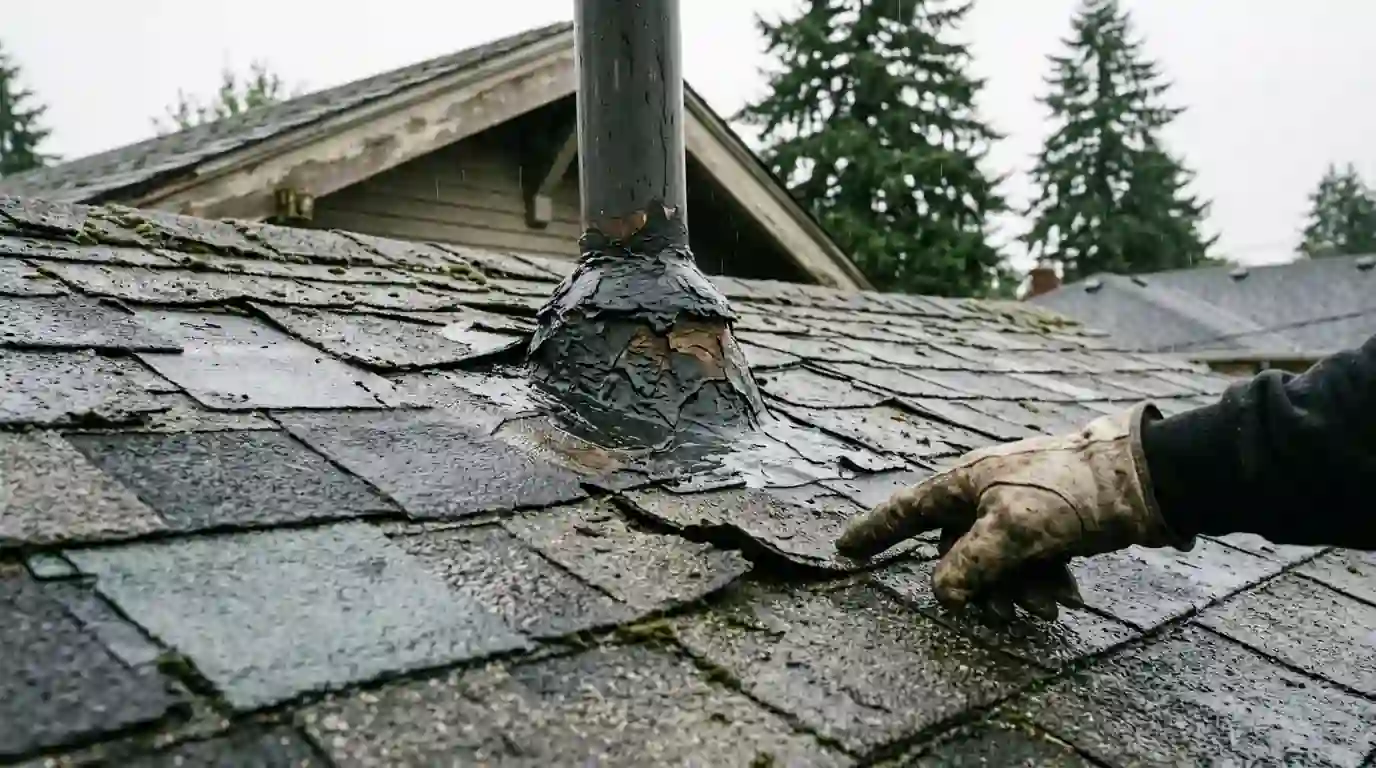
This is the first question, and it settles a lot of cases on its own. A leak at a cracked pipe boot, a few shingles torn off by a windstorm, or failed step flashing where a dormer meets the roof are all local problems. Fix the part that failed and the rest of the roof carries on.
Widespread wear is different. If granules are gone across every slope, shingles are curling on the sunny side and cracking on the shaded side, and moss has lifted tabs everywhere, then fixing the spot that leaked this winter just moves the next leak a few feet over. When we find the same kind of failure in several places, we tell you that a repair is buying months, not years.
How old is the roof compared with what that material should last?
Age matters, but only relative to the material and how the roof was built. Rough expectations for Portland conditions look like this, assuming decent ventilation and normal maintenance:
- Three-tab asphalt shingles: often worn out somewhere between 15 and 20 years here
- Architectural asphalt shingles: commonly 22 to 30 years, less under heavy tree cover
- Cedar shake: 20 to 30 years with cleaning and treatment, far less if it stays wet and mossy
- Standing seam metal: 40 years or more, with sealant and fastener checks along the way
- Torch-down and TPO on low-slope sections: roughly 15 to 25 years depending on drainage
What does the attic and roof deck tell us?
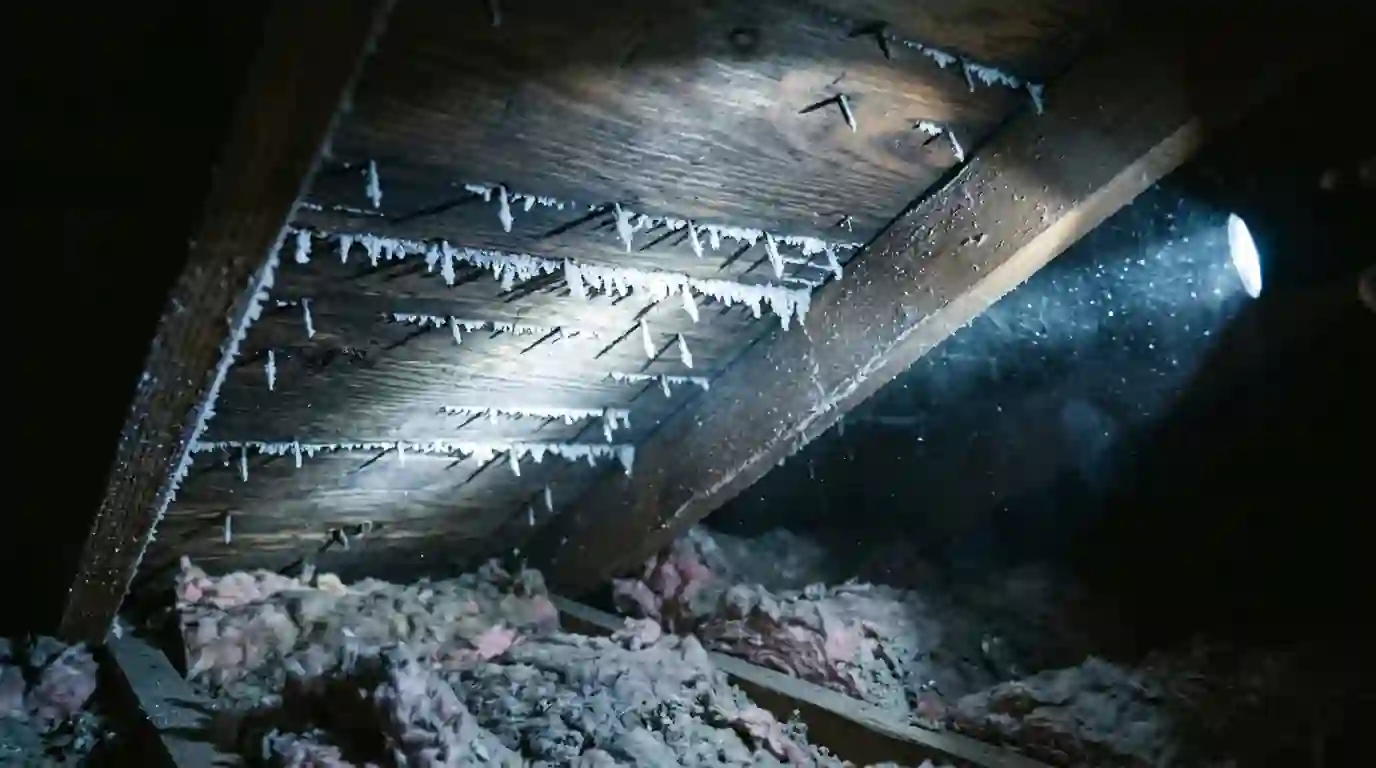
Shingles are the part you see, but the decking decides how expensive the next decade gets. We always go into the attic. Dark water stains around nails, soft or delaminating plywood, black staining on the north slope or frost on the nail tips during a cold snap all point to moisture that's been working for a while.
If the decking is sound and dry, repairs make sense even on an older roof, because the structure underneath is fine. If we find rot in several areas, repairing shingles over it doesn't solve anything. The sheathing has to come off, and once you're replacing large sections of deck, it usually makes more sense to put a complete new roof system on top.
Ventilation shows up here too. A roof with no intake vents at the eaves and a single small exhaust can bake shingles in summer and condense moisture onto the deck in winter. Sometimes the real fix is balancing airflow, and that's easier to do during a replacement.
How many patches has it already had?
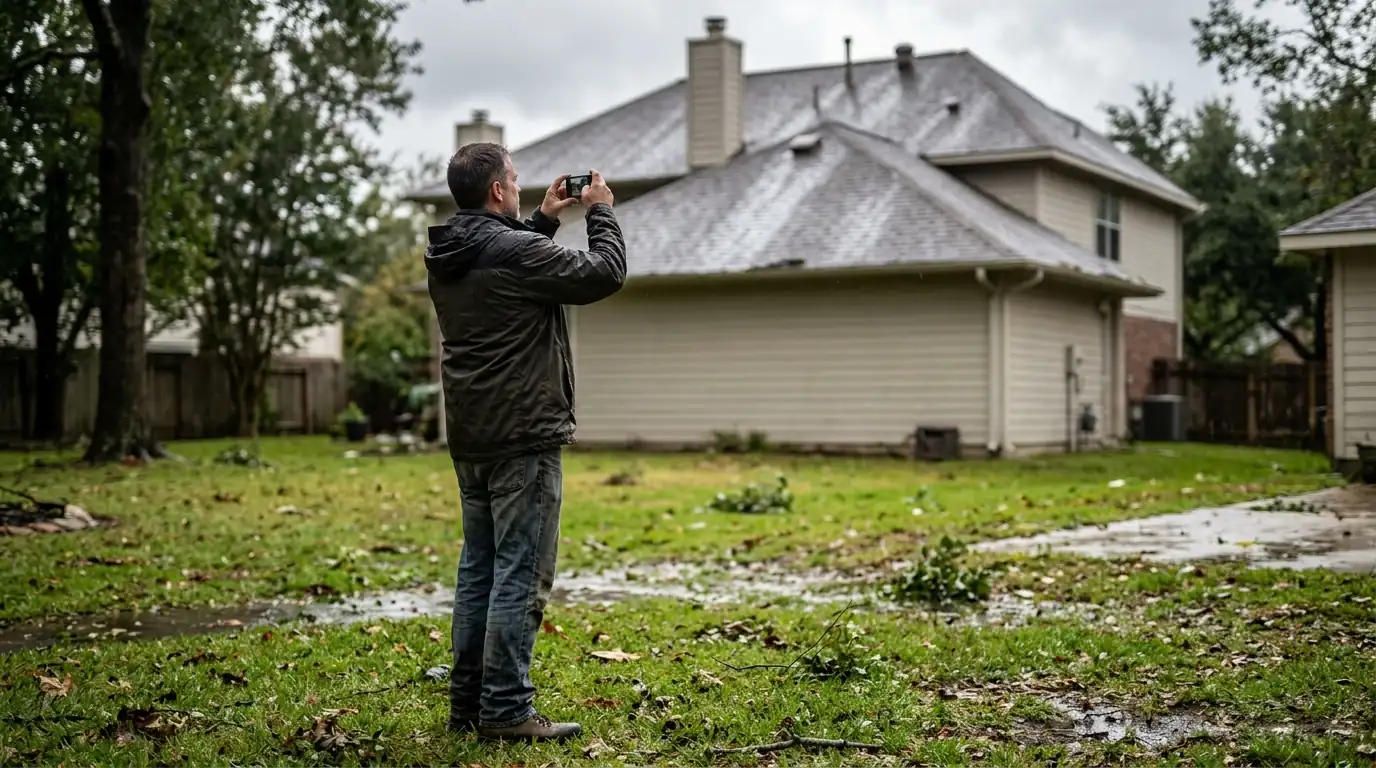
One or two repairs over the life of a roof is normal. A roof with tar smeared around every penetration, mismatched shingles on three slopes and a history of leaks in different rooms each winter is telling you something. Every patch is a seam where the original system was interrupted.
We ask homeowners to tally what they've spent on roof repairs in the last five years. If that total is creeping toward a quarter of a replacement price and the roof is in the last third of its expected life, replacement usually wins on cost alone. If the repairs were all storm related and the roof is otherwise in good shape, that pattern points the other way.
Can a repair carry a worn roof through one more rainy season?
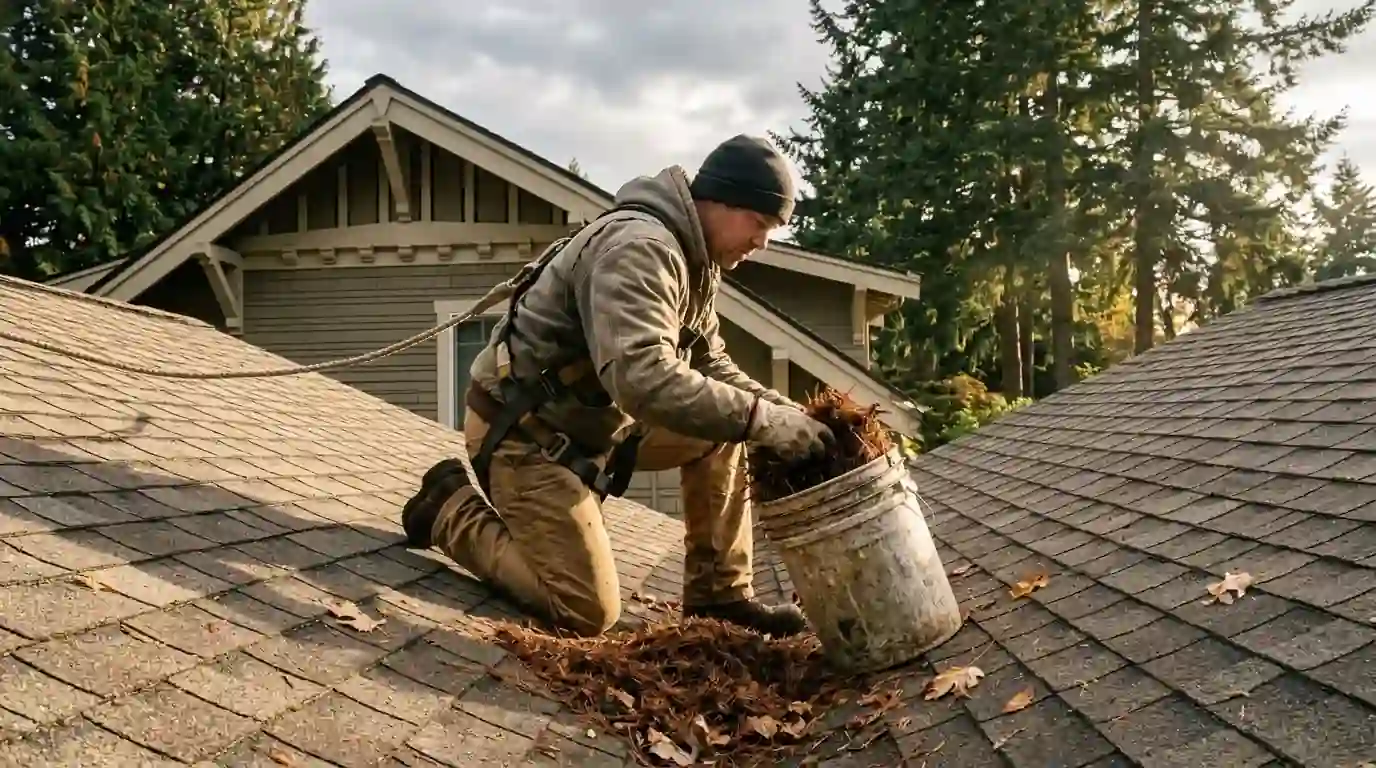
Often, yes, and it's a reasonable plan when the timing isn't right for a full replacement. If a roof is near the end but the decking is still dry, we can replace the failed shingles, reseal pipe boots, redo a leaking chimney flashing and clear the valleys so water moves off the roof. That kind of targeted work can get a house through a Portland winter while you budget and book a replacement for the following summer.
What we won't do is pretend a bridge repair is a long-term fix. We'll tell you which spots we expect to give trouble next, and we'll note anything that should be watched from the attic after big storms. If you go this route, keep an eye on ceilings below valleys and around skylights during the first heavy rains of fall, and call us early if a stain appears rather than waiting for spring.
What do repair and replacement typically cost in Portland?
Ranges help frame the decision, as long as you treat them as typical 2026 figures and not a quote. Real prices come after we've been on the roof and given you a written estimate.
- Small shingle or pipe boot repair: $385 to $940
- Flashing repair at a chimney or sidewall: $615 to $1,690
- Section repair with some decking replaced: $1,280 to $3,860
- Full asphalt replacement on a typical Portland home: $13,400 to $24,700
How do your plans for the house change the answer?
If you're selling within a year or two, a well-documented repair on a sound roof is often enough, and buyers' inspectors mainly want to see that nothing is actively leaking and the decking is dry. If the roof is clearly near the end, though, it will come up in the inspection report and often in the price negotiation.
If you plan to stay ten years or more, replacing a roof that's in its last stretch can be the cheaper path overall. You avoid a run of repairs, you get to fix ventilation and flashing details while everything is open, and you set the next replacement decades out. Projects like solar panels or a skylight also point toward replacement first, since removing and reinstalling panels on an old roof later adds real cost.
We'll give you our honest read either way. Call (503) 917-5484 and we'll look at the roof and the attic, take photos of what matters and talk it through with you. We answer 24/7.
Key takeaways
- Damage in one spot usually means repair, while the same failure across several slopes points to replacement.
- Compare roof age with what that material typically lasts in Portland rain.
- Sound, dry decking favors repair; rot in several areas favors a new roof system.
- Add up five years of repair costs and weigh them against the remaining life of the roof.
- Long-term plans like solar or staying ten years tilt toward replacing a worn roof now.
Written and edited by Grady Pelham, Roofing Articles Editor at MY Construction Roofing. Last updated June 11, 2026.