Most homeowners only think about roof documentation after something goes wrong, when the ceiling is dripping and the adjuster's visit is already on the calendar. By then, a lot of useful information is harder to pin down: what the roof looked like before the storm, when it was last repaired, and whether a stain in the attic is new or old. A little record keeping ahead of time makes those questions much easier to answer.
This article is general information from a roofing company's point of view, not legal or insurance advice. Every policy is different, and only your insurer can say what's covered or how a claim will be handled. What we can share is what we see help homeowners explain roof damage clearly, based on what our roofers find on Portland roofs after wind, ice and falling trees.
What should you record about your roof before any storm?
A simple baseline file helps more than almost anything else. It doesn't need to be elaborate, just organized and dated. Keep it somewhere you can reach if the house is damaged, such as a cloud folder or a copy with a family member.
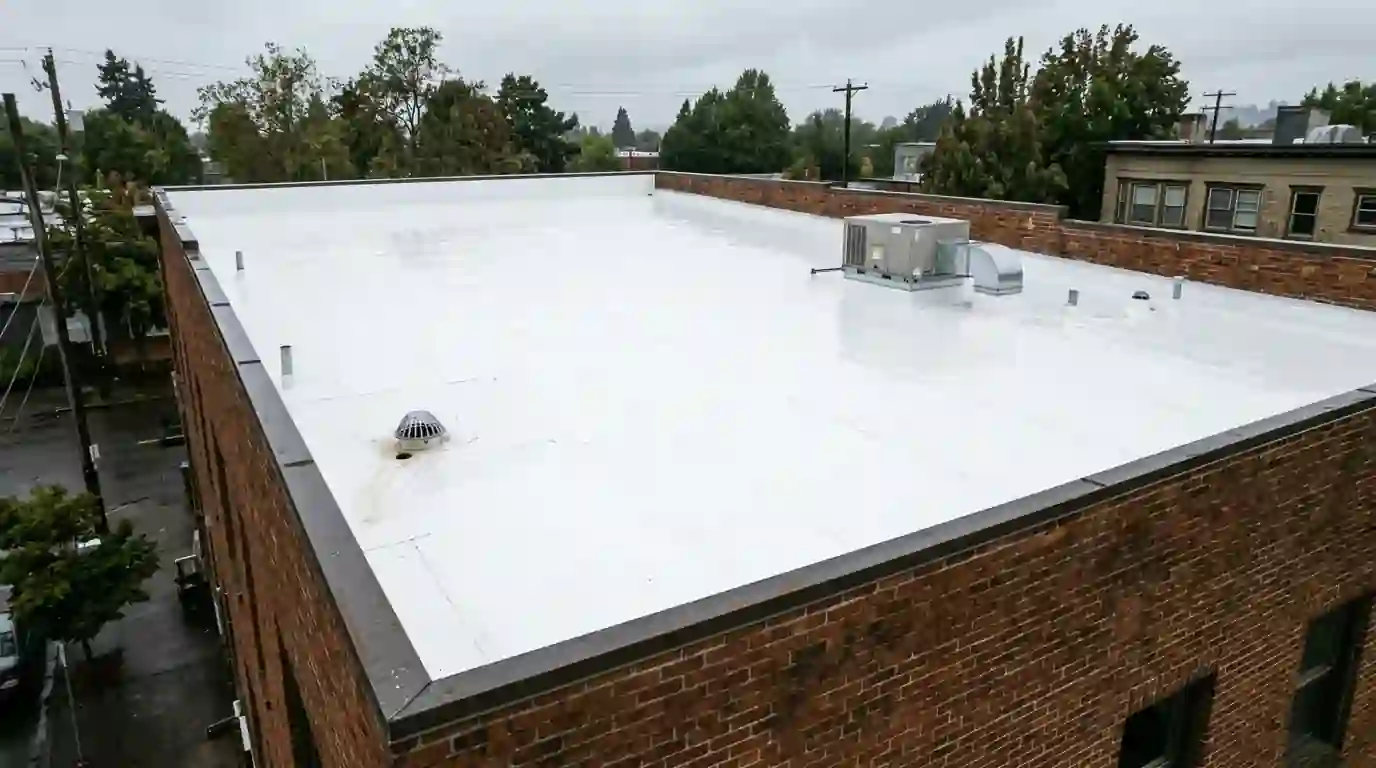
- Dated photos of each roof slope from the ground, plus the gutters, chimney and skylights
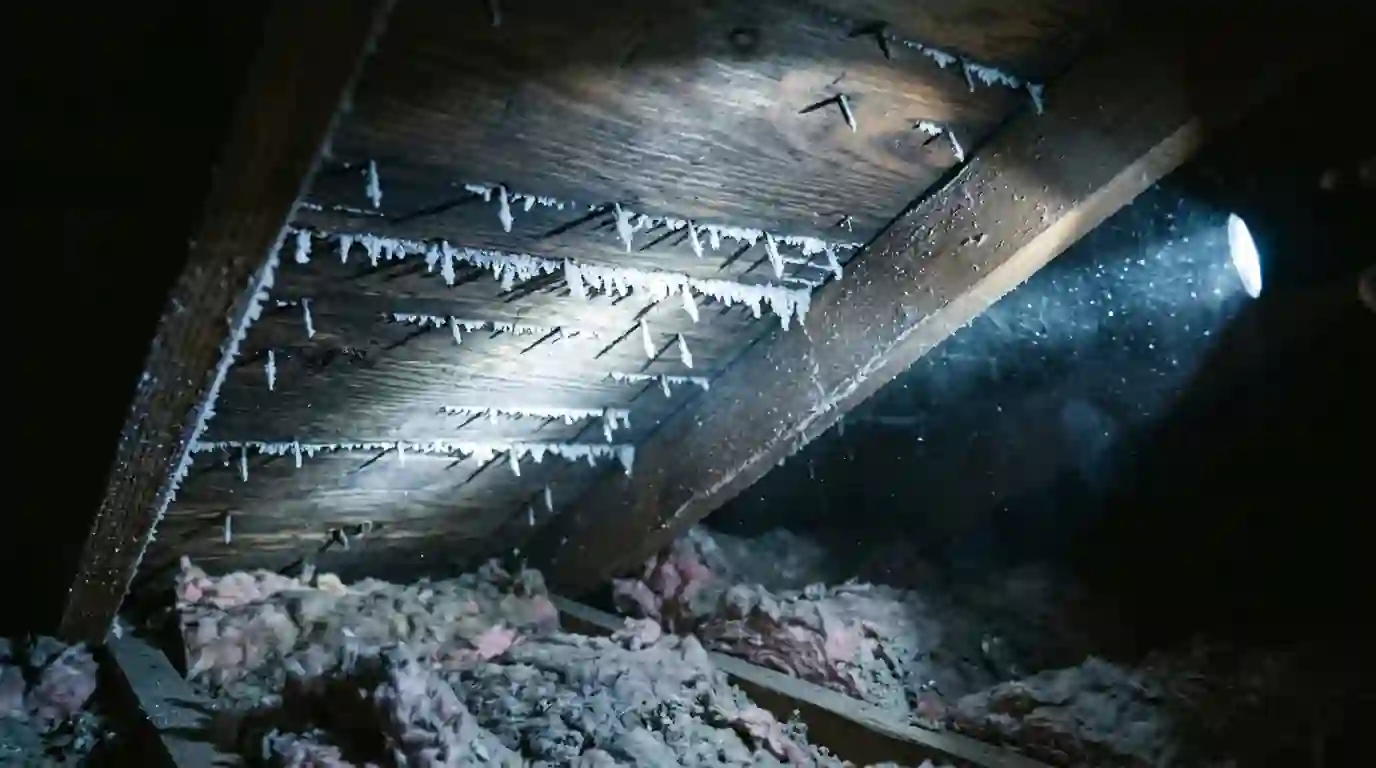
- Photos of the attic underside, especially around chimneys, vents and valleys, showing whether there are existing stains
- Paperwork from the last roof replacement: the date, materials used and the written estimate or invoice
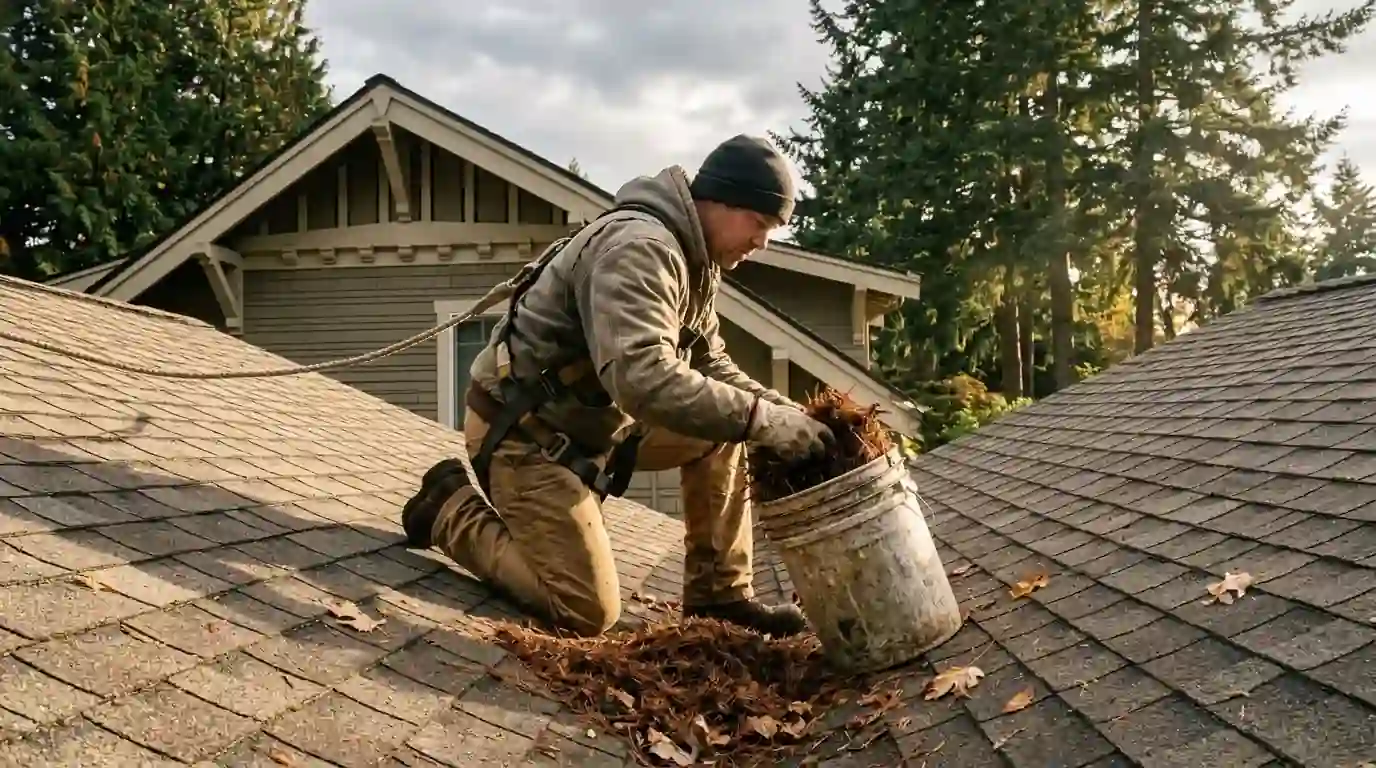
- Records of repairs, moss removal, gutter work and inspections, with dates and what was done
- A copy of your homeowners policy and the declarations page, so you know your deductible and who to call
Why does a recent inspection report help?
An inspection report with photos gives you a dated, third-party record of the roof's condition. If a windstorm tears off shingles six months later, you can show that those slopes were intact and the flashing was sound before the event. That makes it easier to separate storm damage from wear that was already there.
Many Portland homeowners schedule a roof check in late summer or early fall anyway, before the rains. Ask for photos of each slope and the attic, and keep the report with your other roof records. If an inspection turns up problems like cracked pipe boots or loose flashing, getting them repaired and documented also helps, since unrepaired wear can complicate how later damage is viewed.
What should you capture right after the damage happens?
Safety comes first. Stay off the roof, keep away from downed lines and get people out of rooms with sagging ceilings. Once it's safe, start documenting before you clean up or move anything, since debris and damage in place tell a clearer story.
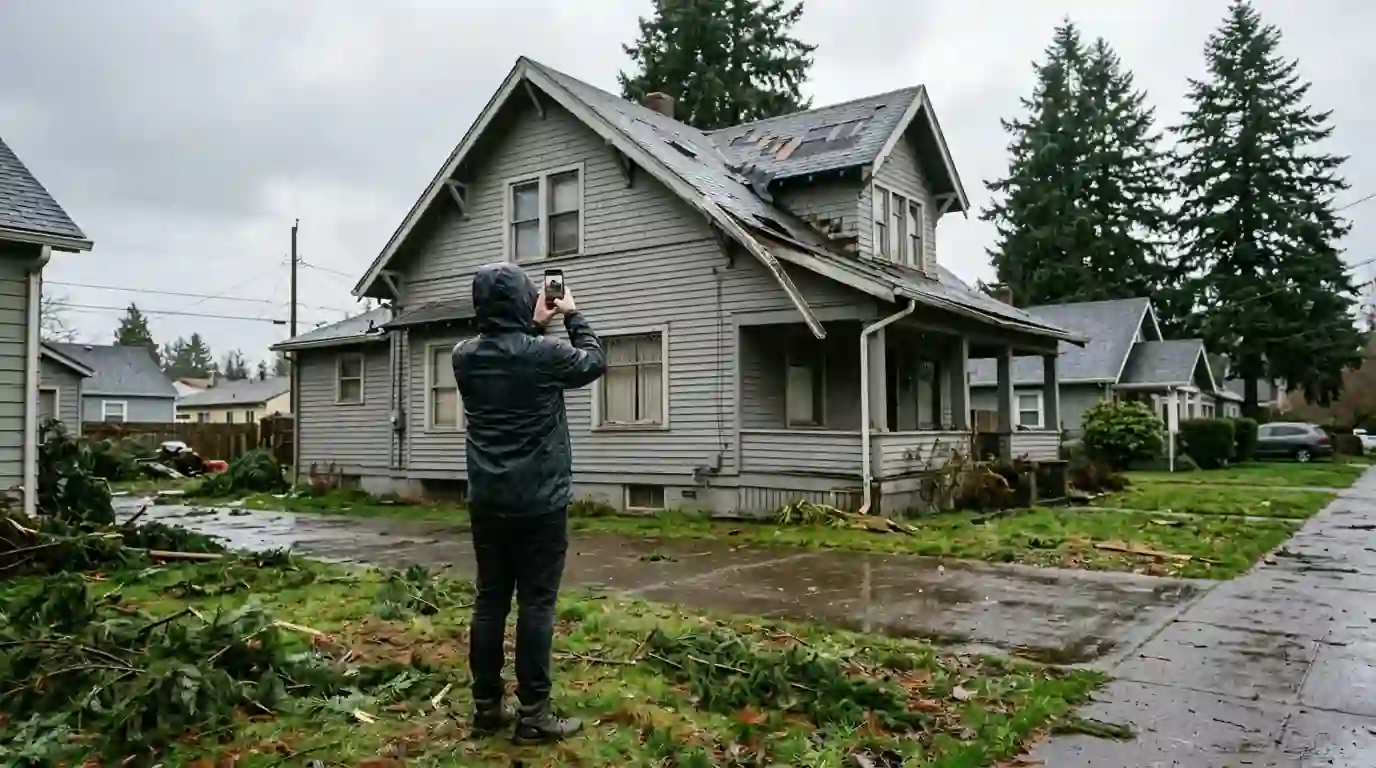
Take wide photos of the whole house from each side, then closer shots of missing shingles, bent flashing, dented gutters and fallen limbs. Inside, photograph ceiling stains, wet insulation, damaged belongings and any standing water. Short videos that walk from room to room help show the extent. Write down the date and time, what the weather was doing and when you first noticed the damage.
If a storm was widely reported, such as an east wind event or an ice storm, note it. Local news coverage or weather service records for that date can help place the damage in time.
How should you handle emergency repairs before an adjuster visits?
Most policies expect homeowners to take reasonable steps to prevent further damage, which in Portland usually means getting a tarp on the roof before the next round of rain. Check your policy or ask your insurer how they want this handled, but don't let an open roof sit for days while you wait.
Document the damage before the tarp goes on if you can do it safely, and ask whoever does the tarping to take photos of what they see on the roof. When we tarp a damaged roof, we photograph the damage up close before covering it, so you have pictures from angles you can't safely reach from the ground. Keep every receipt for emergency work and supplies.
Don't make permanent repairs before the adjuster has seen the damage unless your insurer tells you to. Temporary protection is one thing; replacing a whole slope before it's been inspected can make the claim harder to evaluate.
Which kinds of damage are easy to miss in the first walk-around?
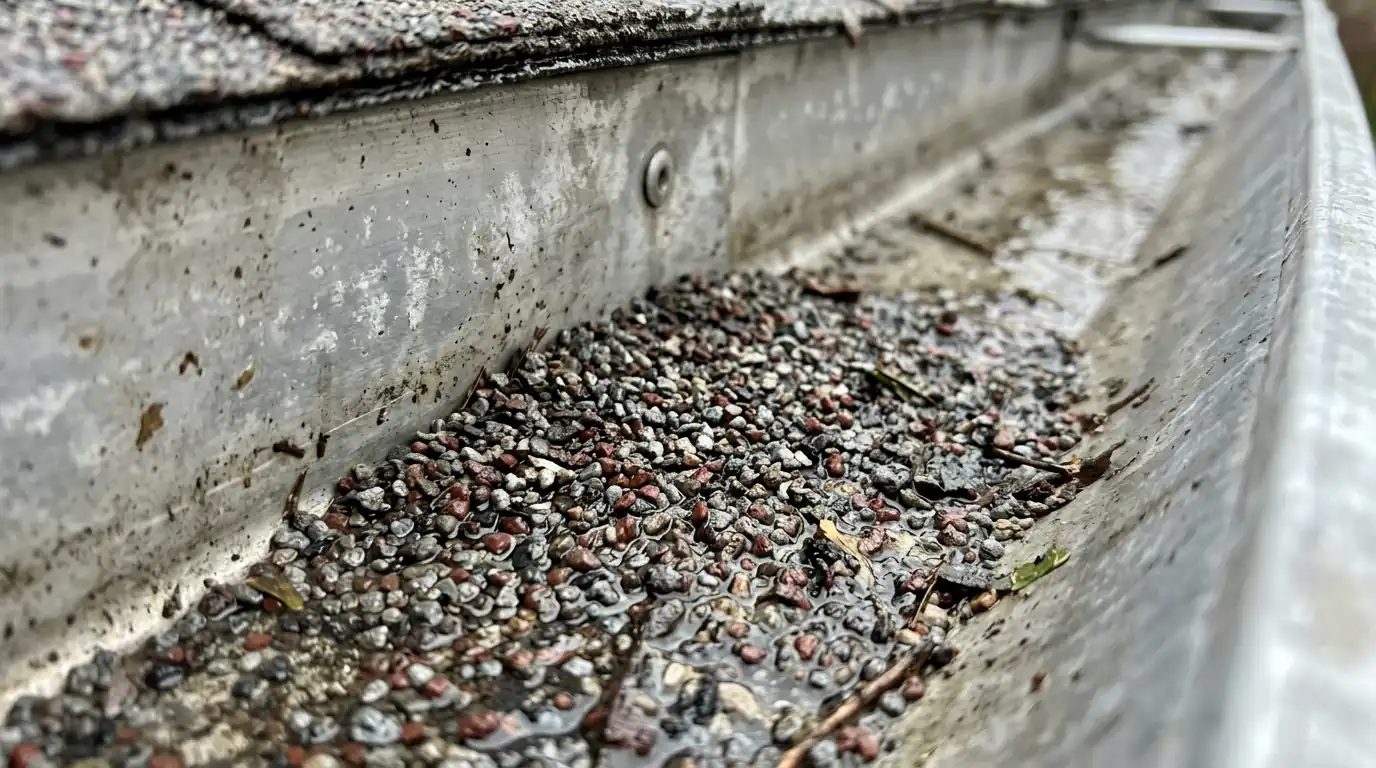
Some roof damage is obvious from the driveway. A lot of it isn't, and it can show up weeks later as a stain or a drip. Wind often breaks the seal on shingles without tearing them off, leaving a crease across the tab that you'd only see up close. Ice and falling branches can crack shingles, dent metal vents and split pipe boots. Gutters may pull away slightly from the fascia, and a limb that bounced off the roof can leave fractured decking under shingles that look whole.
Inside, check closets, the attic hatch area and the tops of exterior walls, not just the obvious ceilings. Water can travel along rafters and show up a room or two away from where it entered. If you find something new after your first round of photos, document it the same way, with dates, and add it to your log rather than assuming it's minor.
What does a roofer's damage report usually include?
After a storm, a detailed report from a roofer can help you and the adjuster talk about the same facts. A useful report typically covers:
- Photos of each damaged area with notes on location, such as north slope near the ridge
- The type and approximate age of the roofing material, and whether matching materials are still made
- Damage to flashing, gutters, vents, skylights and decking, not just shingles
- Signs that separate storm damage, like creased or torn shingles and fresh impact marks, from older wear
- A written estimate for repair or replacement with line items for materials, labor, decking and disposal
What should you keep track of as the claim moves along?
Claims can take weeks, and details blur quickly. Keep a simple log of every conversation with your insurer and anyone working on the house: the date, who you spoke with and what was discussed. Save every letter and written message in one folder.
If the adjuster's scope differs from your roofer's estimate, ask for the reasons in writing and compare the two line by line. Differences often come down to items like decking replacement, flashing, code-related work or whether damaged materials can be matched. We're glad to walk an adjuster through what we found on your roof and explain the repairs we've recommended, but decisions about coverage belong to your insurer. If you have questions about your rights under your policy, the Oregon Division of Financial Regulation offers consumer information on homeowners insurance.
If your roof has been damaged or you'd like a baseline inspection before the next storm season, call (503) 917-5484. We answer 24/7.
Key takeaways
- Keep dated photos and paperwork on your roof before any storm, including attic photos.
- A recent inspection report helps separate storm damage from existing wear.
- After damage, document everything before cleanup, and keep every receipt.
- Get temporary protection on quickly, but hold off on permanent repairs until the adjuster has seen the roof.
- This is general information, not legal advice; coverage decisions belong to your insurer.
Written and edited by Grady Pelham, Roofing Articles Editor at MY Construction Roofing. Last updated September 16, 2026.